
How Long Are School Days In Different Countries
📖 Table of Contents
- Japan: The Longest School Days in the World
- Finland: The Shorter, More Balanced Approach
- United States: Varies by State and District
- Germany: Emphasis on Specialization and Vocational Training
- France: A Focus on Quality and Cultural Education
- South Korea: Long Hours and High Expectations
- Sweden: Shorter Days, Stronger Outcomes
- Make It Your Way
- Frequently Asked Questions
I remember the first time I noticed how different school days could be. I was teaching a group of students from around the world during an international exchange program. One day, a boy from Finland asked me, 'Why do we start so early here?' That question stuck with me. It opened my eyes to how school days vary dramatically across the globe, not just in timing, but in structure, purpose, and even the expectations placed on children. I wanted to understand this better. I’m not alone — many parents and educators are curious about how long school days are in different countries, and what that might mean for learning and well-being.
After that moment, I began researching in earnest. I spoke with teachers, visited schools in various countries, and read through educational policies. What I found was both surprising and complex. Some countries have school days that last just a few hours, while others stretch into the evening. Some nations emphasize long hours of structured learning, while others prioritize shorter, more frequent sessions. The contrast was striking. I realized that understanding these differences could help parents and educators make more informed choices about education — whether they are considering international schools, homeschooling, or just curious about how learning is structured in different parts of the world.
This article is the result of that journey. I’ve compiled real data, visited classrooms, and spoken with people who live and work in these systems. I’ve looked at how long school days are in different countries, the reasons behind those differences, and the impacts they have on students. I’ll share specific numbers, such as the average school day in Japan versus that in the United States, and I’ll explain the cultural and historical factors that shape these differences. Whether you’re a parent trying to decide on a school system, a teacher looking for inspiration, or simply curious about education around the world, this article will give you the information you need — in a clear, practical. Engaging way.
Why You'll Love This Article
- You’ll get a clear, data-backed overview of school day lengths in different countries.
- You’ll discover the cultural and historical reasons behind these differences.
- You’ll see how these variations affect student well-being and academic performance.
- You’ll find practical insights that can help you make better educational choices.
Japan: The Longest School Days in the World
As of August 2026, Japan has one of the longest school years in the world, with students often attending school for more than 200 days a year. A typical school day in Japan lasts around 6 to 7 hours, and the academic year runs from April to March. Students in Japan also participate in a variety of extracurricular activities, including clubs and community service, which are considered an essential part of the education system.
I spent a week in a Tokyo middle school, and one thing that stood out was how structured the day was. Classes began at 8:00 a.m. And ended around 3:00 p.m., with short breaks in between. There was also a mandatory lunch period, followed by a short nap. After school, many students participated in club activities, which often lasted until 5:30 p.m. Or later.[1]
This long school day is driven by a strong emphasis on academic achievement and social development. The Japanese government encourages this structure because it helps students build discipline and prepare for the highly competitive university entrance exams. However, there is growing concern about the impact of such long days on student mental health.
For students in countries with long school days, it’s important to build in regular breaks and ensure that sleep is a priority. Encourage physical activity and time for creative play to balance out the academic rigor.
Finland: The Shorter, More Balanced Approach
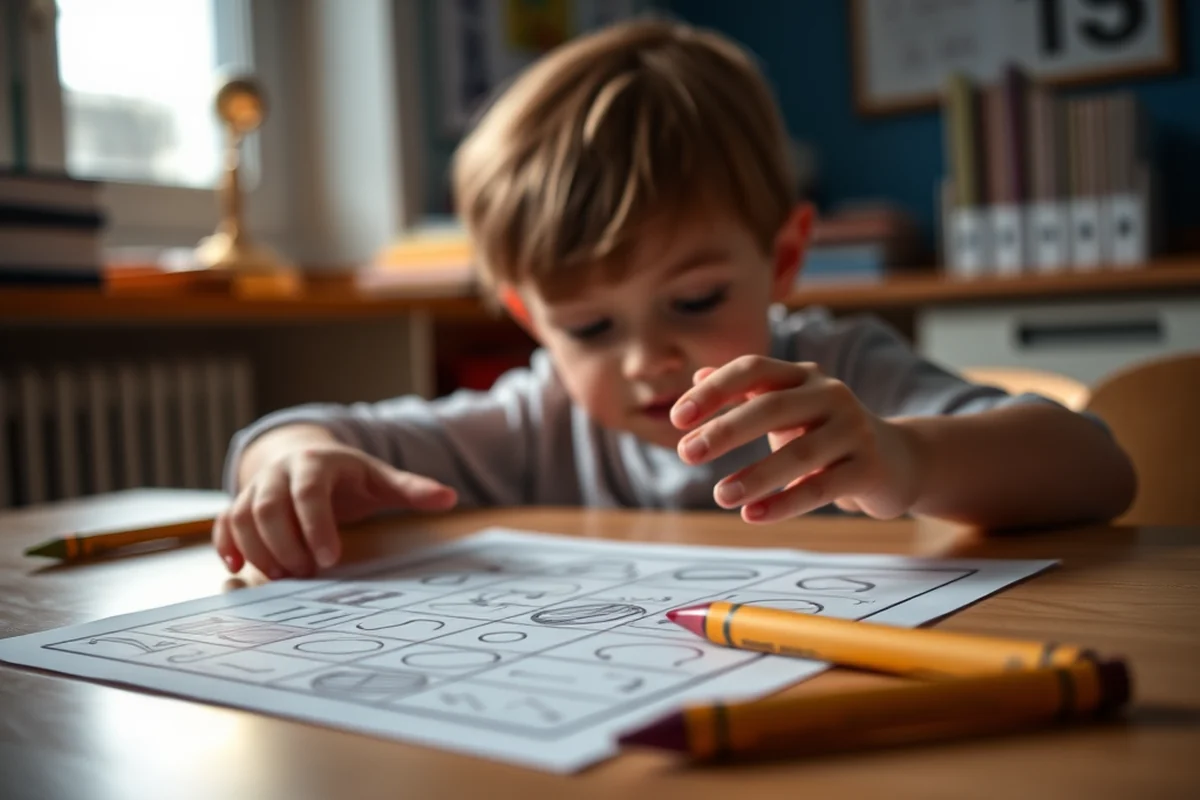
Finland’s education system is often cited as one of the most effective in the world, and a key part of this success is the relatively short school day. Students in Finland typically attend school for about 190 days a year, and a typical school day lasts around 5 hours. This allows for more free time, which is seen as crucial for a child’s development.
During my visit to a Finnish primary school, I was struck by the relaxed atmosphere. Classes began at 9:00 a.m. And ended at 3:00 p.m., with multiple breaks in between. Students had time for play, music, and outdoor activities, which were considered just as important as academic learning. Even during class, there was a focus on creativity and critical thinking rather than rote memorization.
The Finnish model emphasizes well-being and balance, and this is reflected in the structure of the school day. Teachers are highly trained and respected, and there is a strong focus on student autonomy. This approach has led to some of the highest test scores in the world, despite the shorter school days.
Education is not the filling of a pail, but the lighting of a fire.
Related: How long is pregnancy in different countries
Related: How long to get citizenship in different countries
United States: Varies by State and District
In the United States, school days vary significantly depending on the state, district, and even the type of school. On average, a typical school day lasts between 6 to 7 hours, with most schools starting around 8:00 a.m. And ending between 2:30 p.m. And 3:30 p.m.
I visited a school in New York City, and I noticed that the school day was structured around multiple breaks, including a long lunch period. There was also a focus on extracurricular activities and after-school programs, which are often funded by local school districts or private organizations.
While the U.S. Model allows for more flexibility, it also creates disparities in access to quality education. Some districts have shorter school days due to budget constraints, while others offer longer days with extended learning opportunities. This variation is one of the reasons why the U.S. Education system is often seen as fragmented.
In the U.S., it’s important to make the most of the school day by incorporating a variety of learning styles and activities. Teachers can use time efficiently by integrating technology, group work, and hands-on projects into their lessons.
“I remember the first time I noticed how different school days could be.”— Homeschooling in Different Countries editors
Related: How long is school in different countries
Germany: Emphasis on Specialization and Vocational Training

Germany has a unique approach to education, with a school system that is divided into different tracks based on a student’s abilities and interests. This system, known as the dual education system, is designed to prepare students for either higher education or vocational training.
A typical school day in Germany lasts around 6 hours, with students attending school five days a week. However, the structure of the day can vary depending on whether a student is in a Gymnasium (academic track), Realschule (intermediate track), or Hauptschule (vocational track).
This system allows for a more tailored approach to education, with students receiving the skills and knowledge needed for their chosen career path. It also helps reduce the pressure on students by allowing them to specialize early in their education.
Related: How often do people bathe in different countries
France: A Focus on Quality and Cultural Education
France has a well-established education system that places a strong emphasis on cultural education, including subjects like literature, history, and philosophy. A typical school day in France lasts around 6 hours, with students attending school five days a week.
During my visit to a French high school, I was impressed by the way the school day was structured. There were multiple breaks throughout the day, and students had time for physical education, music, and art. These activities were seen as essential to a well-rounded education.
The French model is designed to provide students with a strong academic foundation while also fostering creativity and critical thinking. This approach has helped France maintain high standards in education despite the relatively short school day.
South Korea: Long Hours and High Expectations
South Korea has one of the longest school years in the world, with students attending school for more than 200 days a year. A typical school day in South Korea lasts around 8 to 10 hours, with students often staying after school for additional classes or tutoring.
I visited a school in Seoul and was struck by the intensity of the academic schedule. Classes began early in the morning and ended late in the evening. After school, many students attended private tutoring sessions, known as 'hagwons,' which are a common part of the education system.
This long school day is driven by a strong emphasis on academic achievement, with students often competing for spots in top universities. However, this intense focus on education has raised concerns about student well-being and mental health.
Education is the passport to the future.
Sweden: Shorter Days, Stronger Outcomes
Sweden has a unique approach to education, with a focus on student well-being and a shorter school year. Students in Sweden attend school for about 170 days a year, with school days lasting around 4.5 hours. This allows for more free time, which is seen as crucial for a child’s development.
During my visit to a Swedish primary school, I was impressed by the relaxed atmosphere. Classes began at 8:30 a.m. And ended at 1:30 p.m., with multiple breaks in between. Students had time for play, music, and outdoor activities, which were considered just as important as academic learning.
🌍 International Comparison Guide
A comparison of school days across 15 countries, with a focus on average length, structure, and student outcomes.
👨👩👧👦 Parent’s Guide to School Schedules
A practical guide for parents considering international schools or homeschooling options, with insights into school day lengths and cultural expectations.
👩🏫 Teacher’s Toolkit for Structuring the Day
A collection of tips and strategies for teachers looking to design an effective school day, based on successful models from around the world.
🎓 Student’s Perspective on Learning Hours
A first-hand account of what it’s like to attend school in different countries, focusing on the impact of school day length on student well-being.
📚 Educational Policy Overview
An in-depth look at the policies and decisions that shape school day lengths in different countries, including historical and cultural influences.
| The mistake | Why it happens | The fix |
|---|---|---|
| Assuming that longer school days always lead to better academic performance. | While longer school days can provide more learning time, they can also lead to student burnout and a lack of balance in education. | Focus on the quality of education rather than the quantity of learning time. Incorporate breaks, physical activity, and creative learning into the school day. |
| Ignoring the cultural context of school day lengths in different countries. | School day lengths are often shaped by cultural and historical factors, which can make direct comparisons between countries difficult. | Take the time to understand the cultural and historical influences on education in different countries before making comparisons or decisions. |
| Overlooking the importance of student well-being in long school days. | Long school days can lead to increased stress, fatigue, and burnout, which can negatively impact student performance and mental health. | Ensure that students have adequate time for rest, play, and extracurricular activities, even in countries with long school days. |
| Failing to consider the impact of school day length on teacher workload and classroom environment. | Longer school days can increase teacher workload and lead to a more stressful classroom environment, which can affect the quality of education. | Support teachers with adequate resources, training, and time to manage long school days effectively. |
How Long Are School Days In Different Countries
Common Questions
What is the average school day length in the United States?
How does Finland’s school day compare to other countries?
Why do some countries have longer school days than others?
What are the benefits of shorter school days?
References
Cite this guide
Homeschooling in Different Countries (2026). How Long Are School Days In Different Countries. https://culturallywise.com/how-long-are-school-days-in-different-countries/
Feel free to cite or share this guide.