
Homeschool English Country Dance
📖 Table of Contents
- What Is English Country Dance?
- The Educational Benefits of English Country Dance
- How to Get Started with English Country Dance
- Making It a Weekly Tradition
- Adapting the Activity for Different Ages
- Incorporating History and Culture
- Tips for Making the Most of English Country Dance
- Make It Your Way
- Frequently Asked Questions
I still remember the first time my children stepped onto the floor for an English Country Dance lesson. It was a warm Saturday afternoon, and the sound of fiddles and flutes filled the living room. My daughter, who was seven, stood stiffly, unsure of what to do. But within minutes, the rhythm of the music and the playful energy of the group transformed her anxiety into curiosity. This was my first taste of homeschooling English Country Dance, and I was hooked—not just by the fun, but by the unexpected educational benefits that followed.
English Country Dance is more than just a form of movement. It's a living history lesson, a social studies activity, and a chance to explore rhythm, patterns, and community in a way that feels natural and engaging. As a homeschooling parent, I wanted a way for my kids to learn without feeling like they were in a classroom. English Country Dance offered that opportunity—and more. It's a vibrant, hands-on way to learn about the past, while building confidence, coordination, and a love for music.
What started as a simple experiment with a few music CDs and a YouTube video has become a cherished weekly tradition in our home. We’ve danced in our kitchen, in our backyard, and even during a family trip to a local festival. The beauty of homeschooling English Country Dance is that it’s adaptable, affordable, and deeply rewarding. It’s not just about learning to dance—it’s about learning to live with rhythm, connection, and joy.
Why You'll Love This Activity
- Encourages teamwork and social skills through structured group movement
- Offers a hands-on way to explore history and music without a textbook
- Builds coordination, rhythm, and body awareness in a fun environment
- Requires minimal supplies and can be adapted for any age or space
What Is English Country Dance?
As of August 2026, English Country Dance is a structured, group-based form of folk dance that has been around for centuries. It involves a series of steps and movements that are performed in a specific sequence, often with a partner or a small group. The dances are usually accompanied by traditional music, such as fiddle tunes or folk songs.
I first discovered English Country Dance through an online video of a local dance group. What struck me was how the dancers moved in perfect harmony, following the music with a kind of natural rhythm that felt both deliberate and joyful. I knew I had to bring this into our homeschooling routine.
The dances are designed to be easy to learn, with simple patterns that repeat throughout the song. This makes them perfect for children of all ages, as they can focus on mastering the steps without feeling overwhelmed. It’s a gentle, engaging way to introduce kids to the world of traditional dance.
Look for dances labeled 'beginner-friendly' or 'simple figures.' These will have clear, repetitive steps that are easy to follow and help build confidence.
Part of our Different countries dance guide.
The Educational Benefits of English Country Dance
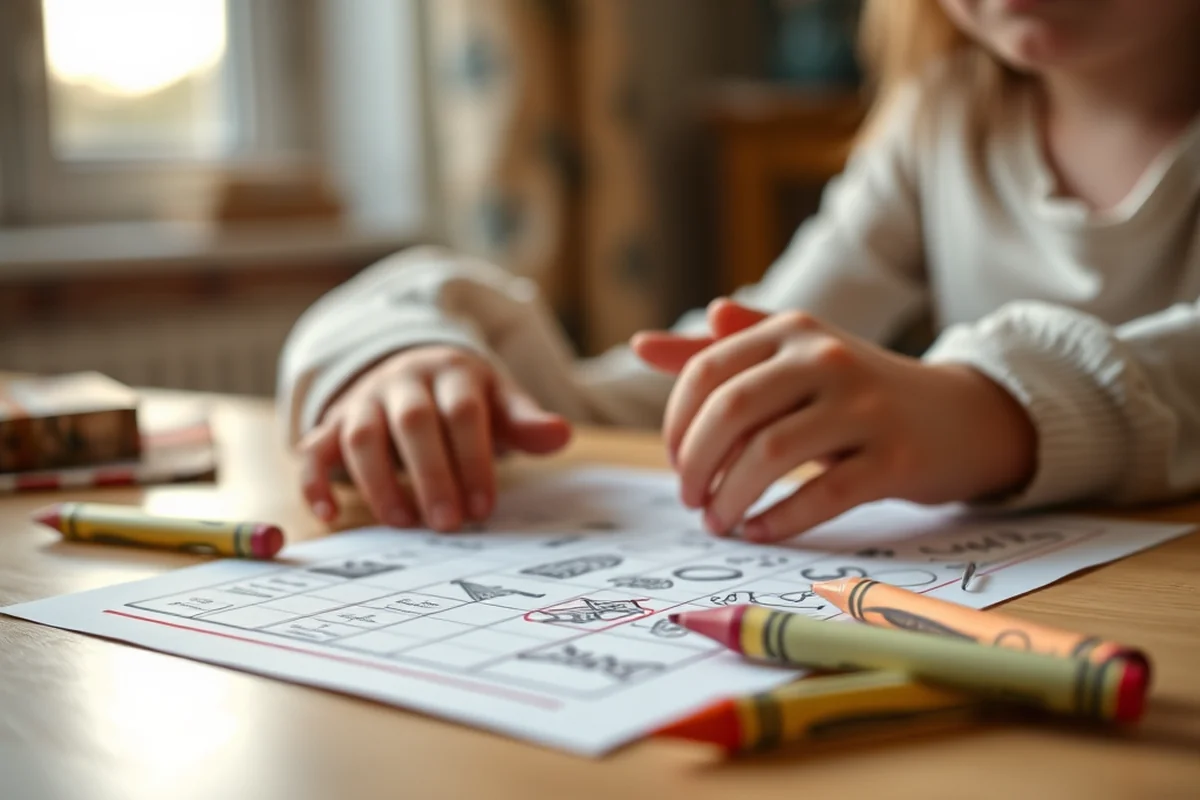
One of the most obvious benefits of English Country Dance is the way it builds social skills. When children dance in groups, they learn to listen, follow directions, and work with others. I've seen my daughter learn how to take turns, follow a leader, and even help her younger brother when he’s confused.
Beyond the social aspects, English Country Dance also helps with motor development. The repetitive, patterned steps improve coordination, balance, and body control. It's like a physical version of a math problem—each step builds on the last, creating a complex whole from simple parts.
Also, the music used in English Country Dance introduces children to traditional folk music, which is a form of cultural education. Learning the history behind the tunes and the dances makes the experience even more meaningful.
Dancing is the most natural and effortless way to teach rhythm and teamwork.
Related: Can other countries vote for dancing with the stars
Related: What s different countries
Related: What other countries
How to Get Started with English Country Dance
To begin, you can find beginner-friendly dances online or in books. I recommend looking for resources from reputable organizations like the English Folk Dance and Song Society. These resources often include music, step-by-step instructions, and even video demonstrations.[1]
Once you’ve chosen a dance, create a space that allows for movement. A living room, backyard, or even a hallway can work. Make sure the floor is clear and the music is playing at a comfortable volume.
Start with simple dances that have a few basic steps and a clear structure. You can practice the steps a few times, then try dancing to the music. The key is to keep it fun and not too stressful. My kids often laugh as they stumble through the first few attempts, but they always end up loving it.
Choose music that your children like. Even if it's not traditional folk music, using something they are familiar with can make the experience more enjoyable and less intimidating.
“I still remember the first time my children stepped onto the floor for an English Country Dance lesson.”— Homeschooling in Different Countries editors
Related: What s other countries
Making It a Weekly Tradition
We now set aside one afternoon each week for dance time. It's a chance for the whole family to move, laugh, and learn together. My children look forward to it as much as they look forward to our science experiments or art projects.
During our dance time, we often invite friends or family members to join. This not only makes the experience more enjoyable but also gives the children a chance to socialize and practice their moves in a new setting. My son once danced with a neighbor’s daughter, and it was a beautiful moment of connection.
I’ve noticed that the more we do it, the more confident my children become. They learn to follow the music, anticipate the steps, and even teach others. It's a form of learning that doesn’t feel like learning—it feels like play.
Adapting the Activity for Different Ages
For younger children, you can simplify the steps and focus on movement and rhythm. For older children, you can introduce more complex figures and encourage them to lead the dance. This makes English Country Dance a versatile activity that can grow with your children.
I’ve noticed that my daughter, who is now ten, enjoys learning the more advanced figures and even teaching them to her younger siblings. It’s a great way for her to take ownership of her learning and feel a sense of accomplishment.
When adapting the activity for different ages, it’s important to be flexible and patient. Allow children to move at their own pace and celebrate small victories. Every step they take is a step forward in their learning journey.
Incorporating History and Culture
Each dance has its own history and story. I love learning about the origins of the dances and sharing that with my children. For example, we once danced a tune that was originally performed at a royal ball in the 18th century. It was fascinating to see my children’s eyes light up as they learned about the past.
Incorporating history into the activity makes it more than just a dance—it becomes a window into another time and place. We often look up images of historical figures or read short stories about the music’s origins. This adds a layer of depth to the experience.
I’ve seen my children develop a curiosity about history and culture because of this activity. They now ask questions about where the dances came from and who played the music. It’s a beautiful way to spark their love of learning.
History is not just about books—it’s about movement, music, and the people who lived it.
Tips for Making the Most of English Country Dance
One of the best things about English Country Dance is that it can be tailored to your family’s needs and interests. Whether you want to focus on music, history, or social skills, there are countless ways to make the activity your own.
Consistency is key. Even if you only dance once a week, making it a regular part of your routine helps reinforce the skills and build a sense of tradition. My children now look forward to our weekly dance time as much as they look forward to our other homeschooling activities.
Finally, be open to new experiences. Don’t be afraid to try different dances, music, or even invite others to join. The more you explore, the more you’ll discover about the world of English Country Dance and the joy it brings.
👣 Younger Kids Version
Simplify the steps and focus on rhythm and movement. Use music that’s familiar and create a playful atmosphere.
🎭 Older Kids Version
Introduce more complex figures and encourage leadership. Incorporate history and allow older children to take on teaching roles.
🧘 No-Prep Version
Use a YouTube video and follow along with the music. No need for printed instructions or additional supplies.
👯 Group Version
Invite friends or family members to join. It’s a great way to build community and make the activity more social.
📚 Extension Version
Combine dance with history lessons, music theory, or even creative writing. It’s a versatile activity that can be expanded in many ways.
| The mistake | Why it happens | The fix |
|---|---|---|
| Trying to teach advanced dances without starting with the basics | This can be overwhelming for children and discourage them from continuing the activity. | Start with simple dances and build up to more complex ones as your children grow more comfortable. |
| Not allowing enough time for practice | Dancing can be challenging, and children may need time to learn and make mistakes. | Be patient and allow plenty of time for practice. Celebrate small victories and encourage effort over perfection. |
| Forcing the activity on children who are not interested | This can create resistance and make the experience less enjoyable for everyone. | Make the activity fun and engaging. Let children have a say in what dances they want to try and how they want to learn. |
| Ignoring the cultural and historical aspects of the dances | This can reduce the educational value of the activity and make it feel like just another form of play. | Take time to explore the history and culture behind the dances. Share stories and encourage curiosity about the past. |
Homeschool English Country Dance
Common Questions
Do I need any special training to teach English Country Dance?
Can I do this activity if I don’t have a lot of space?
How do I find beginner-friendly dances?
What if my child is shy or doesn’t like dancing?
References
- Events - Loudoun County Public Library - Communico (library.loudoun.gov)
Cite this guide
Homeschooling in Different Countries (2026). Homeschool English Country Dance. https://culturallywise.com/homeschool-english-country-dance/
Feel free to cite or share this guide.