
Homeschooling Tips And Tricks
📖 Table of Contents
- Starting With the Right Mindset
- Designing a Learning Space That Works
- Using Nature as a Learning Tool
- Making Learning Hands-On and Interactive
- Incorporating Technology Thoughtfully
- Creating a Routine That Works for Your Family
- Building a Support Network
- Leveraging Community Resources for Enrichment
- Make It Your Way
- Frequently Asked Questions
When I first considered homeschooling my children, I was overwhelmed by the sheer amount of information and advice floating around online. I wanted to know what worked, what didn’t, and how to make this journey less stressful for us all. I remember sitting at the kitchen table with my toddler and three-year-old, trying to find a way to make learning fun and meaningful, not just another chore. What I discovered was that homeschooling is a mosaic — made up of small, intentional pieces, each one contributing to a larger picture.
Over the past few years, I’ve tested dozens of techniques, from structured curricula to play-based learning, and I’ve learned what truly works. I’ve seen how a simple math game can turn a reluctant learner into an enthusiastic participant, or how a hands-on science experiment can spark curiosity in a way that books never could. These are the moments that make homeschooling not just possible, but deeply rewarding.
The goal of this article is to provide practical, real-world homeschooling tips and tricks that I’ve personally tested and refined. Whether you’re just starting out or looking for new ideas, these insights are designed to help you create a learning environment that’s both effective and enjoyable for your children.
Why You'll Love This Article
- Discover tried-and-true methods that actually work for real families.
- Find actionable tips that fit different learning styles and ages.
- Avoid common mistakes that can derail even the most well-intentioned homeschooling plan.
- Get a clear roadmap for making learning fun, engaging, and meaningful.
Starting With the Right Mindset
As of September 2026, one of the most important homeschooling tips and tricks I've learned is to approach this journey with patience and flexibility. I once tried to follow a rigid schedule, only to find that my children were too tired or disinterested. I realized that learning can happen in the middle of a messy kitchen, during a walk in the park, or even during a conversation about a shared experience.
I started by setting small, achievable goals, like reading for 15 minutes a day or counting objects during a grocery trip. These small, consistent actions built confidence and made learning feel less like a task and more like an adventure. I’ve seen how this approach helped my youngest child begin reading independently by the age of five.
This mindset shift was transformative. It allowed us to be more present and responsive to our children's needs, rather than trying to force a specific outcome. It's a reminder that homeschooling is about the journey, not the destination.
Create a list of simple, daily learning goals that align with your child's interests and abilities. Celebrate progress, not perfection.
Designing a Learning Space That Works
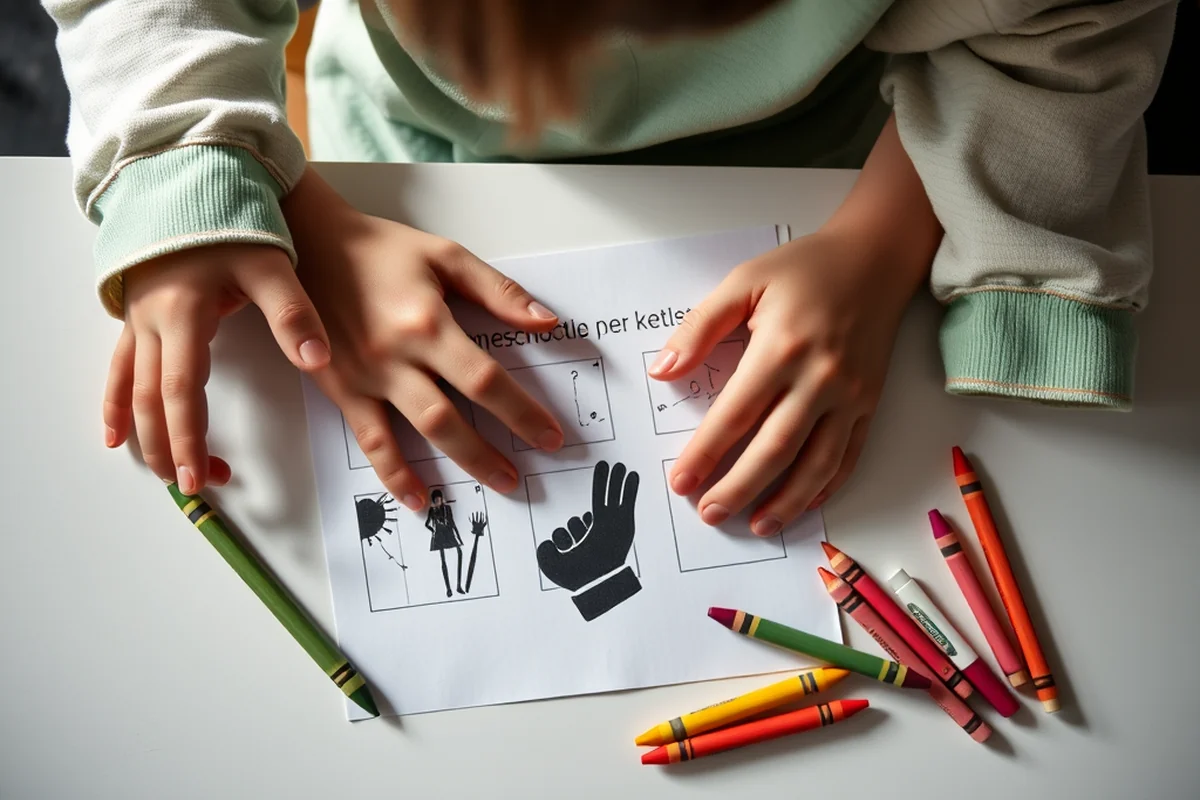
I once tried to do all our learning in our living room — and it was a disaster. Distractions were everywhere, and my children had trouble focusing. I realized that creating a dedicated learning space was crucial. Even a small corner of a room with a table, a few books, and good lighting can transform how your child approaches learning.
I set up a corner in our home office with a small bookshelf, a whiteboard, and a few rugs. I noticed that my children were more focused, asked more questions, and stayed engaged for longer periods. The space became a place of comfort and creativity, and it made our learning time more productive.
When designing your learning space, think about comfort, accessibility, and personalization. A space that feels like a place to explore and grow will encourage your child to take ownership of their learning.
A dedicated learning space can make all the difference in a child's engagement and focus.
Related: Homeschooling ideas for 2 year old
Related: Homeschooling in washington state
Related: Homeschooling in indiana for free
Related: Homeschooling in arkansas laws
Related: How many hours for homeschooling
Using Nature as a Learning Tool
One of the most valuable homeschooling tips and tricks I've learned is to take advantage of the natural world. We started going on nature walks almost every day, and I noticed how my children began asking more questions about plants, animals, and the environment. I used these moments to teach science, math, and even language skills in a way that felt natural and engaging.
During a walk, we identified different types of trees, measured the distance between landmarks, and created stories based on what we saw. These activities were not only educational, but also a way to spend quality time together. My son, who used to hate math, began to see it as a tool for solving real-world problems.
Using nature as a learning tool is not only effective — it's also a way to foster a lifelong appreciation for the environment and the world around us.
Use the outdoors as a classroom by identifying plants, animals, and natural elements. This approach makes learning tangible and exciting.
“When I first considered homeschooling my children, I was overwhelmed by the sheer amount of information and advice floating around online.”— Homeschooling in Different Countries editors
Making Learning Hands-On and Interactive

I once relied heavily on workbooks and flashcards to teach my children, but I noticed that they weren’t retaining much of what they learned. After shifting to more interactive methods — like using playdough to learn shapes, or cooking to teach fractions — I saw a dramatic improvement in their understanding and engagement.
One of the most memorable moments was when my daughter learned about fractions by cutting a pizza into slices and distributing them among her friends. She didn’t just memorize the concept — she understood it. This approach made learning more relatable and enjoyable for her.
Hands-on learning isn’t just about making things fun — it’s about helping children connect abstract concepts with real-life applications. It’s a powerful way to deepen understanding and retention.
Incorporating Technology Thoughtfully
There’s a lot of debate around the role of technology in homeschooling, and I found that the key is to use it as a supplement — not a replacement — for traditional learning. I began using educational apps and online videos to reinforce concepts we were studying, and I noticed that my children were more engaged and motivated to learn.
For example, we used an interactive math app to practice multiplication facts, and a science video to explain the water cycle. These tools helped my children grasp complex ideas in a way that felt fun and accessible. However, I also made sure to set strict limits on screen time to avoid over-reliance on technology.
When used wisely, technology can enhance learning and provide new opportunities for exploration. But it should always be part of a balanced, well-rounded approach.
Creating a Routine That Works for Your Family
One of the biggest challenges I faced in homeschooling was figuring out the right balance between structure and flexibility. I tried rigid schedules that didn’t account for my children’s energy levels or moods, and it backfired. Eventually, I created a routine that allowed for flexibility while still keeping us on track.
We now follow a general daily schedule — with blocks of time for reading, math, and science — but I leave room for spontaneity and play. This approach has helped my children feel more in control of their learning while still providing the structure they need to stay focused.
A good routine doesn’t need to be perfect — it just needs to work for your family. Be open to adjusting it as needed, and don’t be afraid to let go of the idea that every day has to be exactly the same.
A consistent, flexible routine can help your child feel secure and focused while allowing for spontaneity.
Building a Support Network
At first, I tried to do everything on my own, which was overwhelming and isolating. I quickly realized that building a support network was essential. I joined local homeschooling groups and online communities, and I found that these connections were invaluable.
Through these groups, I was able to share resources, ask questions, and even find co-op learning opportunities with other families. I’ve learned so much from the experiences of others, and I’ve found that having a support network makes the journey much more manageable.
Don’t be afraid to reach out and connect with others. Whether in person or online, finding a community of like-minded parents can make all the difference in your homeschooling experience.
Leveraging Community Resources for Enrichment
Public libraries often offer free access to online databases, educational workshops, and even summer camps for kids. In my experience, my children participated in a weekly STEM program at the local library for $20 per month, which included hands-on experiments and guest speakers. This not only expanded their knowledge but also helped them connect with peers who shared similar interests.[1]
Museums and science centers are excellent resources for immersive learning. For instance, we visited a science museum three times a year, which cost us about $50 per visit. Each visit included interactive exhibits that aligned with our curriculum, making abstract concepts tangible. One exhibit on physics helped my son understand motion and force in ways a textbook never could.
Local workshops and classes can also provide valuable learning opportunities. I enrolled my daughter in a pottery class at a community center for $15 per session, which not only taught her a new skill but also gave her a creative outlet. These experiences enriched her education and helped her develop social skills outside the home environment.
🎒 Younger Kids (Ages 3-6)
Use play-based learning with simple, hands-on activities like sorting toys or counting blocks.
📚 Older Kids (Ages 7-12)
Incorporate more structured learning with projects, experiments, and research-based activities.
⏰ No-Prep Learning
Use free printable resources and everyday objects to create learning opportunities on the go.
👥 Group Learning
Join homeschooling co-ops or meetups to create a collaborative, social learning environment.
🌟 Extension Activities
Add creative, hands-on extensions to lessons, such as building models or creating art inspired by what you’re learning.
| The mistake | Why it happens | The fix |
|---|---|---|
| Trying to follow a rigid schedule without flexibility | A strict schedule can be overwhelming and stressful for both parents and children, leading to burnout and disengagement. | Create a flexible routine that allows for spontaneity and adapts to your child’s energy levels and needs. |
| Over-relying on technology for learning | Too much screen time can lead to decreased attention spans and a lack of hands-on engagement with the material. | Use technology as a supplement, not a replacement, for traditional learning methods. |
| Trying to teach everything on your own | Homeschooling can be isolating and overwhelming if you don’t seek support from other parents or resources. | Join local or online homeschooling groups to find support, share resources, and connect with other families. |
| Not providing enough structure or routine | A lack of structure can lead to a lack of focus and confusion about what needs to be done. | Create a simple, consistent daily routine that gives your child a sense of security and direction. |
Homeschooling Tips And Tricks
Common Questions
How do I know what to teach my child at home?
What if I don’t have a lot of time for homeschooling?
How can I keep my child motivated to learn at home?
What if I feel overwhelmed by all the homeschooling options?
References
- Burbank Public Library (burbankca.gov)
Cite this guide
Homeschooling in Different Countries (2026). Homeschooling Tips And Tricks. https://culturallywise.com/homeschooling-tips-and-tricks/
Feel free to cite or share this guide.