
Homeschooling In Finland
📖 Table of Contents
I still remember the first time I walked into a Finnish classroom with my toddler in tow, curious about how their education system worked. Finland is known globally for its top-ranked schools and innovative teaching methods, but I was surprised to learn that homeschooling is not only allowed in Finland but also deeply respected. The concept of 'kotikoulu' — Finnish for 'home school' — is part of the country’s broader commitment to personalized, child-centered learning that adapts to each family’s needs. Homeschooling in Finland is not about replicating a traditional school at home; it’s about creating a unique, flexible. Meaningful educational journey that aligns with the child’s interests and the family’s values.
Finland’s education system is built on the principle that every child deserves a tailored learning experience, and this philosophy naturally extends to homeschooling. Parents who choose to homeschool in Finland are often part of a growing community that shares resources, collaborates on curricula, and advocates for policies that support home education. The Finnish government provides clear guidelines and legal frameworks that make homeschooling both accessible and legitimate. What struck me most was how seamlessly homeschooled children integrate into society — they attend public events, participate in local activities, and often perform just as well academically as their traditionally schooled peers.
Homeschooling in Finland is not just a choice; it’s a lifestyle that aligns with the nation’s values of equality, creativity, and holistic development. The Finnish approach is less about rigid lesson plans and more about nurturing curiosity, critical thinking, and a lifelong love of learning. I’ve seen homeschooled families in Finland use nature trails as learning labs, invite local experts into their homes, and even collaborate with schools to create hybrid learning experiences. Homeschooling in Finland is not just a trend — it’s a reflection of the country’s deep respect for education and individuality.
Why You'll Love Homeschooling in Finland
- Access to a well-supported legal framework for homeschooling
- A culture that values creativity and child-led learning
- Strong community and collaboration among homeschooling families
- Flexibility to tailor education to your child’s unique needs
Legal Framework and Government Support
As of September 2026, in Finland, homeschooling is governed by the Education Act, which outlines the requirements and responsibilities of parents who choose this path. Parents must notify the local education authority and submit a learning plan that aligns with the national curriculum. This plan is not a rigid template but a flexible roadmap that reflects the child’s interests and learning style. One family I spoke with created a learning plan that combined science experiments with outdoor exploration, all while meeting the national standards for mathematics and language.
The Finnish government provides resources, including access to online educational materials and guidance from experienced educators. Local education departments often hold workshops for homeschooling parents, covering topics like curriculum design, assessment methods, and student well-being. These workshops are free and open to all families, making it easier for even first-time homeschoolers to feel confident in their decisions.
Another benefit of the legal framework is the opportunity for homeschooled students to participate in public school activities, such as sports, music, or drama. This integration helps homeschooled children form social connections and access extracurricular opportunities that might otherwise be unavailable.
Before beginning your homeschooling journey in Finland, take the time to create a learning plan that reflects your child’s interests and the national curriculum’s requirements. This plan will be reviewed by your local education authority and can be adjusted as needed throughout the year.
Part of our Start homeschooling guide.
Community and Collaboration
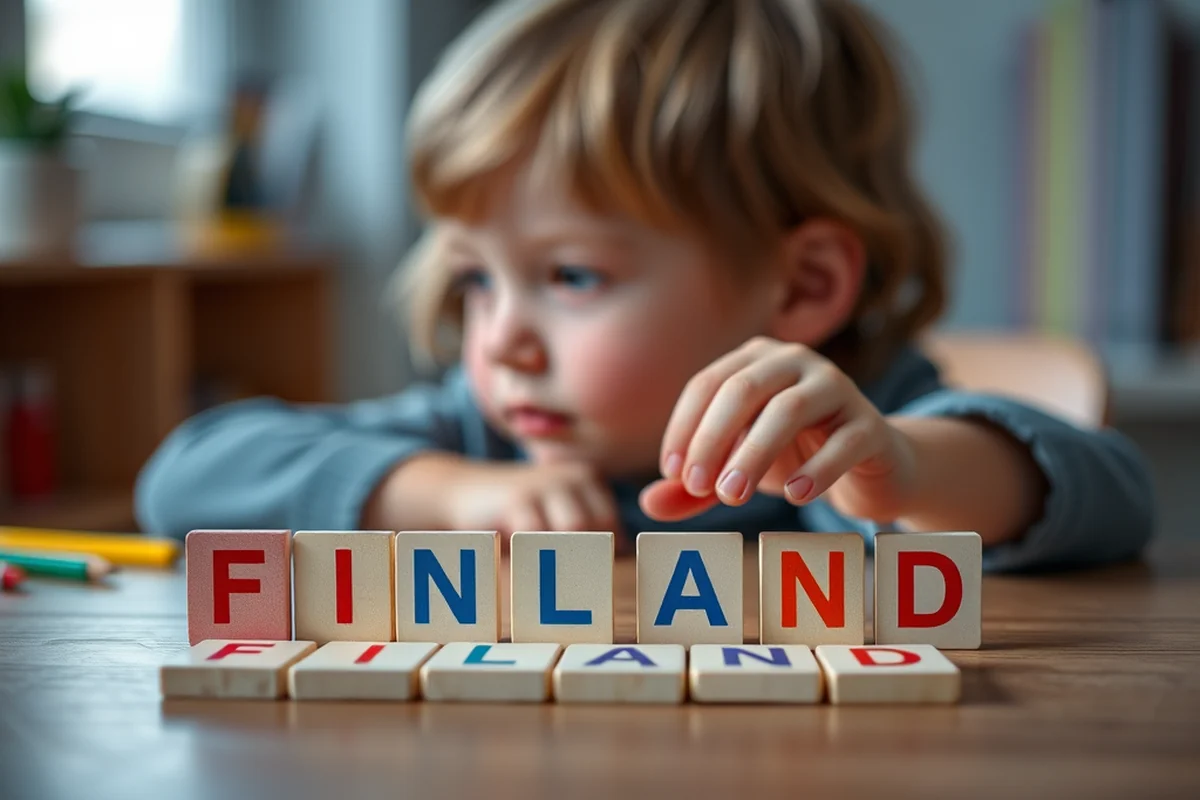
One of the most surprising aspects of homeschooling in Finland is the strong sense of community among homeschooling families. There are local groups and online forums where parents share resources, co-teach classes, and even organize field trips. I spoke with a group of parents who meet weekly to co-teach a science class — each family brings a different topic, from botany to physics, and all the children learn together.
Some homeschooling families also collaborate with local schools to create hybrid learning experiences. For example, a homeschooling group in Helsinki arranged for their children to attend a weekly art class at a local school. This not only provided the children with a structured learning environment but also allowed them to interact with peers from a traditional school.
Collaboration extends to the use of school facilities as well. Some homeschooling families have access to school libraries, playgrounds, and even computer labs through agreements with the local education authority. These partnerships help ensure that homeschooled children have access to the same resources as their traditionally schooled peers.
In Finland, homeschooled children are not alone — they are part of a vibrant, supportive network of families and schools.
Related: Homeschooling in henderson nv
Related: What is homeschooling in usa
Related: Can you do homeschooling in australia
Curriculum and Learning Methods
The national curriculum in Finland emphasizes critical thinking, creativity, and a holistic approach to education. Homeschooling families are encouraged to follow this framework but are also given the freedom to adapt it to their child’s needs. I met a family who designed a curriculum centered around environmental science — their child studied climate change, visited local nature reserves, and even presented their findings at a science fair.
One key aspect of the Finnish approach is the emphasis on project-based learning. Instead of memorizing facts, children engage in hands-on projects that apply their knowledge in real-world contexts. For example, a homeschooled student in Tampere designed a community garden that also served as a lesson in biology, mathematics, and social studies.
Assessment in Finland is not solely based on exams. Instead, teachers and parents use a variety of methods, such as portfolios, presentations, and reflective journals, to evaluate student progress. Homeschooling families in Finland often use these methods as well, creating a more personalized and meaningful way to track learning.
Project-based learning allows children to explore topics in depth and apply their knowledge in real-world contexts. Try designing a project that combines science, art, and social studies — for example, creating a miniature ecosystem or planning a community event.[1]
“I still remember the first time I walked into a Finnish classroom with my toddler in tow, curious about how their education system worked.”— Homeschooling in Different Countries editors
Related: Homeschooling in arizona
Related: Homeschooling in florida
Child-Centered Learning and Creativity
In Finland, learning is not about following a strict schedule or completing a set of tasks. Instead, it’s about exploring the world with curiosity and creativity. I visited a homeschooled child who spent a week studying volcanoes — she read books, watched documentaries, and even built a model of a volcano using clay and baking soda. The experience was both educational and deeply engaging.
Play is considered an essential part of learning in Finland, and this philosophy extends to homeschooled children. Many families incorporate play-based learning into their daily routines, using games, puzzles, and creative activities to reinforce academic concepts. One family I spoke with used board games to teach mathematics — the children loved playing while learning.
Creativity is also encouraged through arts and crafts, music, and writing. Homeschooled children often have the freedom to pursue their artistic interests, whether it’s painting, composing music, or writing stories. These activities not only develop skills but also foster a love of learning that lasts a lifetime.
Socialization and Extracurricular Activities
Socialization is a common concern among parents who choose to homeschool, but in Finland, it’s not an issue. Homeschooled children regularly attend community events, participate in sports, and join clubs — sometimes even through local schools. I met a homeschooled teenager who played soccer for a local team and had no trouble making friends with children from traditional schools.
Many homeschooling families in Finland also take advantage of the country’s rich cultural offerings. From museums and theaters to festivals and workshops, there are countless opportunities for homeschooled children to engage with the arts and history. One family I spoke with attended a weekly workshop at a local theater, where the children learned drama and performance skills.
Extracurricular activities are also encouraged through local organizations. Many of these groups, such as youth clubs and scouting programs, welcome homeschooled children. These activities not only provide social opportunities but also help children develop important life skills, such as teamwork, leadership, and communication.
Assessment and Academic Standards
Assessment in Finland is not solely based on standardized tests. Instead, it focuses on a child’s overall development, including their ability to think critically, solve problems, and work independently. Homeschooled families often use a variety of methods, such as portfolios, presentations, and reflective journals, to evaluate student progress.
One family I spoke with used a portfolio system to track their child’s learning over time. The portfolio included written work, artwork, and even video recordings of the child explaining their understanding of a topic. This method allowed the parents to see how the child had grown and what areas needed more attention.
In addition to portfolios, homeschooled children may also take part in assessments organized by local schools or education authorities. These assessments are designed to ensure that homeschooled students are meeting the same academic standards as their traditionally schooled peers. This helps parents feel confident that their children are receiving a high-quality education.
In Finland, assessment is not about grades — it’s about understanding and growth.
Parental Involvement and Support
In Finland, parents are not just responsible for their child’s education — they are also their child’s teachers, mentors, and role models. This level of involvement is a key aspect of the Finnish approach to homeschooling. I spoke with a mother who taught her daughter mathematics using real-life examples — from budgeting for a grocery trip to calculating the distance of a hike.
Parental involvement also extends to the use of technology. Many homeschooled children in Finland use online resources, such as educational websites and video lessons, to supplement their learning. One family I met used an online platform that provided interactive lessons in science, math, and language — all aligned with the national curriculum.
Support for parents is also available through local education departments and online communities. These resources help parents handle the challenges of homeschooling and provide them with the tools they need to succeed. Whether it’s advice on curriculum design or strategies for managing a busy schedule, parents in Finland have access to a wealth of support.
🌿 Nature-Based Learning
Use the Finnish landscape as a classroom, exploring forests, lakes, and nature trails to teach science, geography, and environmental studies.
🎨 Arts and Creativity
Encourage your child to explore music, painting, and writing, using Finland’s rich cultural heritage as a source of inspiration.
📚 No-Prep Learning
Access free online resources and printable materials to create a simple, no-prep homeschooling experience that aligns with the Finnish curriculum.
👥 Group Learning
Join a local homeschooling group to co-teach classes, share resources, and create a collaborative learning environment for your child.
⚙️ Project-Based Learning
Design hands-on projects that combine science, math, and social studies, allowing your child to explore topics in depth and apply their knowledge in real-world contexts.
| The mistake | Why it happens | The fix |
|---|---|---|
| Not following the national curriculum guidelines | Failing to align with Finland’s national curriculum may result in a lack of structure and missed learning opportunities. | Familiarize yourself with the national curriculum and use it as a framework for your child’s learning plan. |
| Overlooking the importance of socialization | Socialization is a key aspect of child development and is often a concern for homeschooling parents. | Look for opportunities for your child to interact with peers through community events, sports, and extracurricular activities. |
| Neglecting assessment methods | Without proper assessment, it may be difficult to track your child’s progress and identify areas for improvement. | Use a variety of assessment methods, such as portfolios, presentations, and reflective journals, to evaluate your child’s learning. |
| Not involving the local education authority | Failing to notify the local education authority may result in legal issues or complications with your child’s future education. | Ensure you notify the local education authority and provide a learning plan that meets their requirements. |
Homeschooling In Finland
Common Questions
Is homeschooling legal in Finland?
What resources are available for homeschooling families?
How do homeschooled children in Finland socialize?
What is the assessment process for homeschooled students?
References
- how homeschooling happens: a phenomenological study of (digitalcommons.liberty.edu)
Cite this guide
Homeschooling in Different Countries (2026). Homeschooling In Finland. https://culturallywise.com/homeschooling-in-finland/
Feel free to cite or share this guide.