
Different Type Of Homeschooling
📖 Table of Contents
I still remember the first time I sat down with my daughter on the living room floor, a stack of books and a few crayons in front of us. We weren’t following a structured curriculum; we were just exploring. That day, I realized that homeschooling wasn’t one-size-fits-all. It wasn’t about copying a textbook or replicating a classroom. It was about adapting to the needs of the child, the family, and the moment. That’s when I began learning about the different types of homeschooling, and how each one could reshape our learning journey.
The more I explored, the more I saw how the different types of homeschooling could meet diverse needs. Some families thrived on a structured, traditional approach, while others found joy in a more flexible, project-based method. I even met families who combined multiple styles, tailoring their approach to their child’s learning style and personality. The key was understanding that there’s no ‘right’ way to homeschool — only the way that works best for your family.
Through trial and error, I discovered that the different types of homeschooling aren’t just about pedagogy. They’re about identity, values, and the way we want our children to see learning. Whether you're drawn to a classical approach, a Montessori-inspired method, or a co-op-based style, each offers a unique lens through which to view education. I’m here to help you understand the different type of homeschooling so you can find the one that fits your family.
Why You'll Love This Approach to Homeschooling
- Flexibility to adapt to your child's learning style and personality
- Opportunity to integrate your family’s values and beliefs into the curriculum
- Freedom to choose the best teaching method for your child and your lifestyle
- Ability to customize learning experiences based on your child’s interests and goals
Traditional Homeschooling
As of August 2026, Traditional homeschooling is ideal for families who want a clear roadmap and predictable routine. It often involves following a set curriculum, using workbooks, and adhering to a daily schedule. This method is particularly common in families who are new to homeschooling or who want a sense of normalcy and consistency.
I tried this approach with my son when he was in third grade. I used a popular curriculum that came with lesson plans, workbooks, and even teacher guides. It gave us a clear structure, but I quickly realized that it didn’t always fit the way my son liked to learn. He would sometimes get stuck on a concept for days, which was frustrating for both of us.
Despite the frustrations, the traditional approach has its strengths. It provides a solid foundation, especially for children who thrive on structure. It’s also a good choice for parents who want to ensure they’re covering all the necessary subjects and standards.
If you're new to traditional homeschooling, begin with one subject at a time to build confidence and avoid burnout.
Part of our Countries homeschooling guide.
Montessori-Inspired Homeschooling
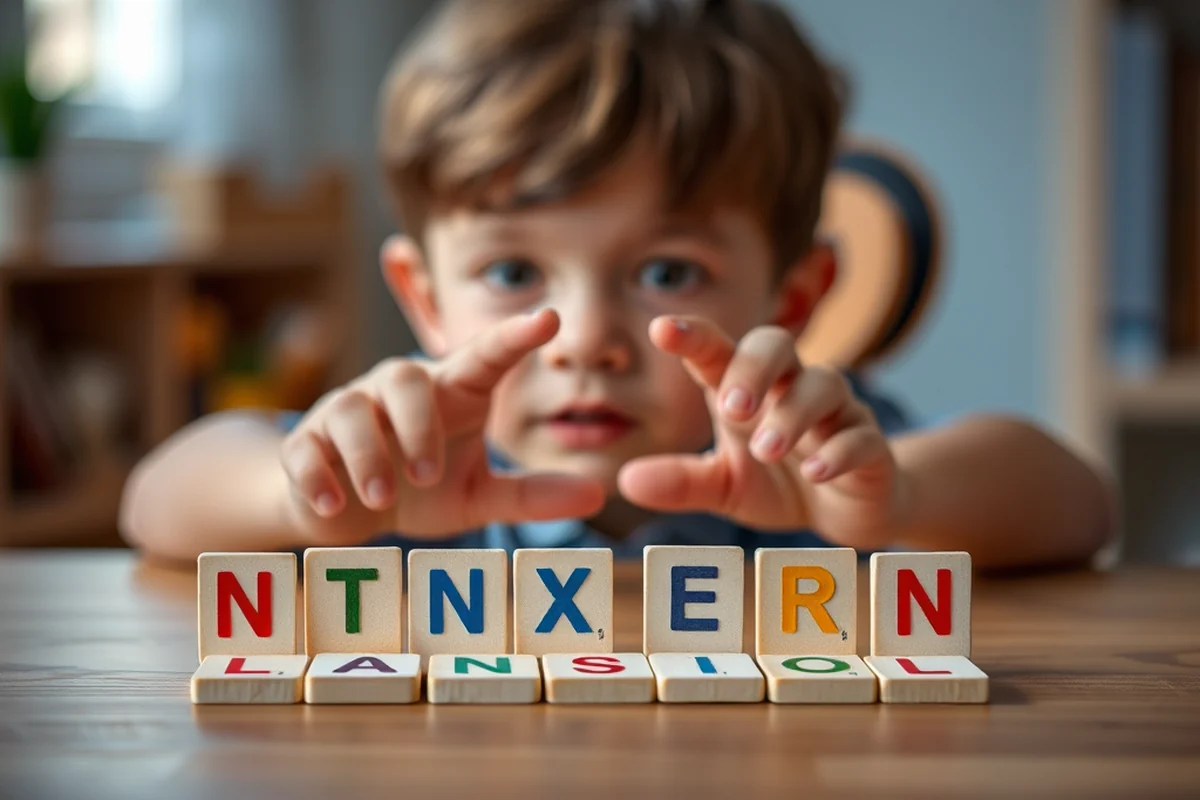
Montessori-inspired homeschooling is all about giving children the freedom to explore and learn at their own pace. It’s not about following a rigid schedule but about creating an environment that encourages curiosity and independence.
I tried this method with my daughter when she was in preschool. We set up a learning area with materials like puzzles, blocks, and books. She would choose what she wanted to work on each day, and I would guide her when needed. It was amazing to see her take ownership of her learning.
This approach works best for children who are naturally inquisitive and self-motivated. It’s also a good fit for families who value creativity and independence in their children’s education.
Let the child choose — and watch them learn.
Related: Homeschooling in countries
Related: What is homeschooling in australia
Related: Homeschooling different grade levels
Related: Homeschooling in houston texas
Related: World education services
Unit Study Homeschooling
Unit study homeschooling is a great way to dive deep into a specific subject. Instead of covering a little bit of many subjects, you focus on one topic for an extended period. This method is ideal for children who love to explore a subject in detail.[1]
I used this approach when we studied the solar system. We read books, watched documentaries, built models of the planets, and even created a small planetarium in our living room. It was a way to make learning fun and engaging.
This method works best for families who have a strong interest in a particular subject or who want to create a more immersive learning experience. It’s also a good option for parents who enjoy creative and hands-on teaching methods.
Your enthusiasm for the topic will make the unit study more engaging for your child and more rewarding for you.
“I still remember the first time I sat down with my daughter on the living room floor, a stack of books and a few crayons…”— Homeschooling in Different Countries editors
Charlotte Mason Homeschooling
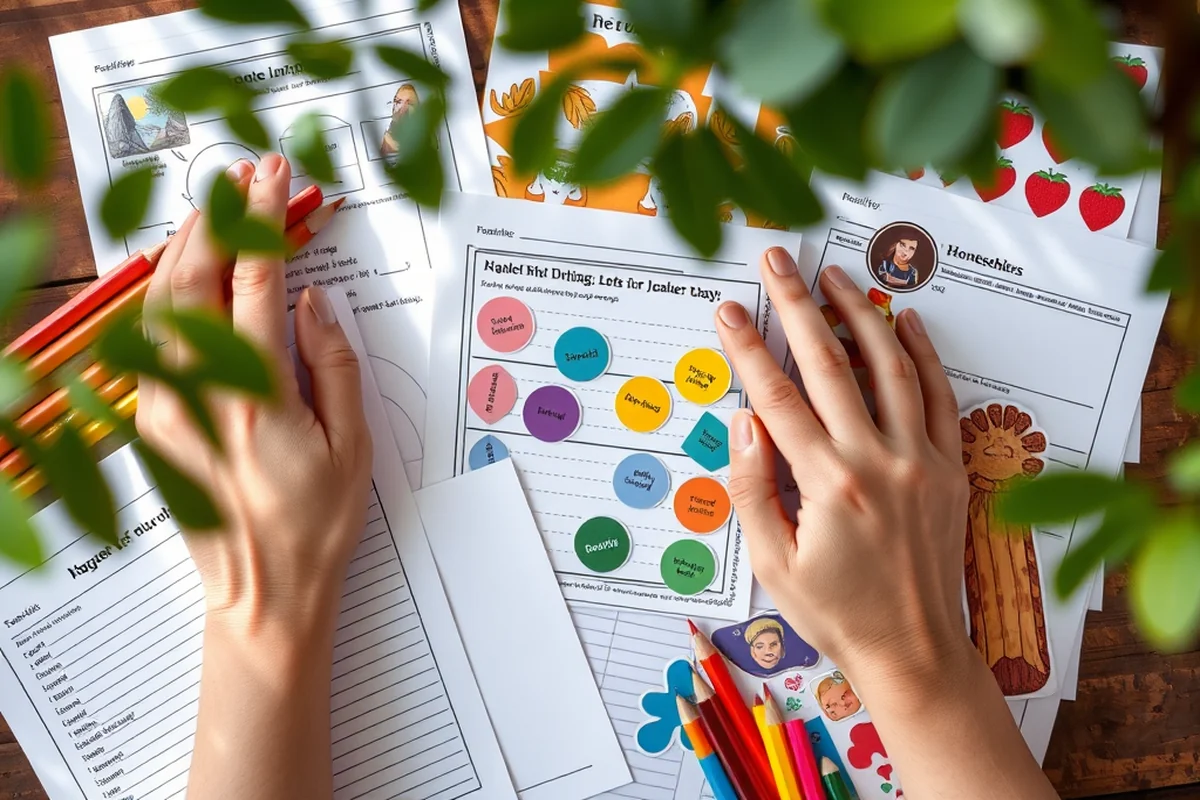
Charlotte Mason homeschooling is a method that focuses on using high-quality literature, nature study, and character development. It’s a holistic approach that aims to cultivate a love of learning and a strong moral foundation.[2]
I tried this method with my daughter when she was in first grade. We read living books — books that are rich in language and thought — and we spent a lot of time outside, observing the natural world. It was a way to connect learning with real-life experiences.
This approach works best for families who value literature, nature, and character development. It’s also a good fit for parents who want to create a well-rounded and meaningful education for their children.
Co-op Homeschooling
Co-op homeschooling is a collaborative approach where families work together to provide a more comprehensive and varied education. This method is ideal for parents who want to share the teaching load and offer their children a more social learning experience.
I joined a co-op when my son was in fourth grade. We met once a week, and each family took turns teaching a subject. It was a great way to cover multiple subjects and give the children a chance to interact with peers.
This method works best for families who are willing to commit time and energy to a group effort. It’s also a good option for parents who want to provide their children with a more well-rounded and social education.
Unschooling
Unschooling is a hands-off approach where learning is driven by the child’s interests and curiosity. It’s all about following the child’s lead and creating a learning environment that supports their natural inclinations.
I’ve seen this approach work beautifully for children who are deeply curious and self-directed. They often learn through hands-on experiences, such as cooking, gardening, or building things. It’s a way to make learning an organic part of daily life.
This method works best for families who are comfortable with a more flexible and open-ended approach. It’s also a good fit for parents who trust their child’s ability to guide their own learning.
Learning happens everywhere — not just in a classroom.
Religious Homeschooling
Religious homeschooling is a method where the curriculum is shaped by the family’s faith or spiritual beliefs. It’s ideal for families who want to integrate their religious values into the education of their children.
I know a family who uses a religious curriculum that includes scripture study, moral development, and faith-based lessons. It’s a way to ensure that their children are learning not only academic subjects but also spiritual values.
This method works best for families who want to provide their children with a faith-based education. It’s also a good option for parents who want to raise their children in a specific spiritual tradition.
Homeschooling with a Focus on Social-Emotional Learning
Homeschooling with a focus on social-emotional learning (SEL) emphasizes teaching children how to manage emotions, build relationships, and make responsible decisions. This approach is especially beneficial for children who may struggle in traditional school settings due to social anxiety or sensory sensitivities. One technique involves daily reflection journals where children write about their feelings and experiences, helping them develop self-awareness and emotional regulation. SEL can be integrated into all subjects, such as discussing empathy in literature or analyzing group dynamics in history.
Parents can incorporate SEL through role-playing exercises, group projects with other homeschoolers, and community service. A family I spoke with implemented weekly “empathy circles,” where children shared challenges and supported each other. They also used SEL-focused curricula, such as the “Second Step” program, which includes video lessons and activities designed for ages 4 to 11. These programs often take 30 minutes to an hour per week and are highly structured.
The benefits of SEL in homeschooling are measurable. A 2021 study found that children who received SEL instruction showed a 12% improvement in social skills and a 15% reduction in emotional distress compared to their peers. This approach not only supports academic success but also lays the foundation for healthy relationships and resilience. It’s a powerful tool for parents who want to ensure their children are emotionally well-equipped for the future.
👶 Younger Kids
For preschoolers and early learners, focus on play-based activities and sensory exploration.
🎓 Older Kids
For middle and high schoolers, use structured lessons and real-world projects to build critical thinking skills.
🧺 No-Prep
Use readily available materials and spontaneous learning opportunities to keep things simple and flexible.
🤝 Group Version
Create a co-op or study group with other families to share resources and provide social learning experiences.
🔍 Extension
Add extra activities such as field trips, guest speakers, or online courses to enhance your child’s learning.
| The mistake | Why it happens | The fix |
|---|---|---|
| Ignoring your child’s learning style | Every child learns differently, and ignoring their unique needs can lead to frustration and disengagement. | Assess your child’s learning style and choose a method that aligns with their strengths and preferences. |
| Overloading the curriculum | Trying to cover too many subjects at once can overwhelm both the parent and the child, leading to burnout and a lack of focus. | Start with one or two subjects and gradually build up as you and your child become more comfortable with the approach. |
| Not setting clear goals | Without clear goals, it’s easy to lose direction and fail to track progress. | Set realistic and measurable goals for your child’s learning, and revisit them regularly to ensure they’re on track. |
| Neglecting social interaction | Homeschooled children may miss out on important social interactions if they’re not given opportunities to engage with peers. | Join a co-op, attend homeschool meetups, or find community activities that allow your child to interact with others. |
Different Type Of Homeschooling
Common Questions
How do I choose the best type of homeschooling for my family?
Is traditional homeschooling the best option for all children?
What are the benefits of Montessori-inspired homeschooling?
How does unit study homeschooling support learning?
References
- An Evaluative Study of the Academic Achievement of ... - ERIC (files.eric.ed.gov)
- Minnesota Approved Online Learning Providers - MDE (education.mn.gov)
Cite this guide
Homeschooling in Different Countries (2026). Different Type Of Homeschooling. https://culturallywise.com/different-type-of-homeschooling/
Feel free to cite or share this guide.