
Homeschooling In Japan For Foreigners
📖 Table of Contents
- Understanding Japan’s Legal Framework for Homeschooling
- Finding the Right Curriculum for Your Child
- Building a Support Network
- Integrating Japanese Language and Culture
- Using Online Learning Platforms
- Navigating the Japanese Education System
- Making the Most of Local Resources
- Dealing with Bureaucratic Hurdles When Homeschooling in Japan
- Make It Your Way
- Frequently Asked Questions
I remember the first time I walked into a Japanese elementary school with my young daughter. The silence was so profound, the order so precise, it felt like stepping into a different universe. As an expat, I had no intention of sending my child to a traditional school. We were going to homeschool, and I was determined to find a way to make it work in Japan, a country where homeschooling for foreigners is not only uncommon but largely misunderstood.
Japan is not known for its robust homeschooling community. The education system is rigidly structured, and foreign families often find themselves in a tight spot with finding resources, curriculum, and even legal support. But with patience, research, and a willingness to blend international methods with local expectations, it is possible to create a rich and meaningful homeschooling experience for your child in Japan.
I’ve spent the last two years building a homeschooling routine that works for our family in Tokyo. I’ve learned the ins and outs of the Japanese education system, how to navigate bureaucratic hurdles, and how to find like-minded families who are also homeschooling. The journey hasn’t been easy, but the rewards—academic freedom, cultural immersion, and the joy of learning together—have been more than worth it.
Why You'll Love This Homeschooling Approach in Japan
- Access to high-quality international curriculum tailored to Japanese standards
- Opportunities for cultural and language immersion within local communities
- Flexibility to incorporate Japanese traditions into your child’s learning
- Supportive online and in-person communities for expat families
Understanding Japan’s Legal Framework for Homeschooling
As of September 2026, Japan’s education laws are based on the assumption that all children attend public or private schools. However, some expat families have found a workaround by enrolling their children in international schools or using a combination of online learning and local extracurricular activities.
There is no legal requirement for foreign students to attend school in Japan. If a family chooses to homeschool, they may need to register with their local city office and provide a detailed education plan. This step is not always enforced, but it’s safer to be prepared.
Many expat parents in Tokyo have shared that they simply avoid the topic and focus on enrolling their children in private schools or home-based programs that are recognized locally.
Keep a copy of your child’s international passport, birth certificate, and a letter explaining your homeschooling approach. Store this in your local city office for emergencies.
Finding the Right Curriculum for Your Child
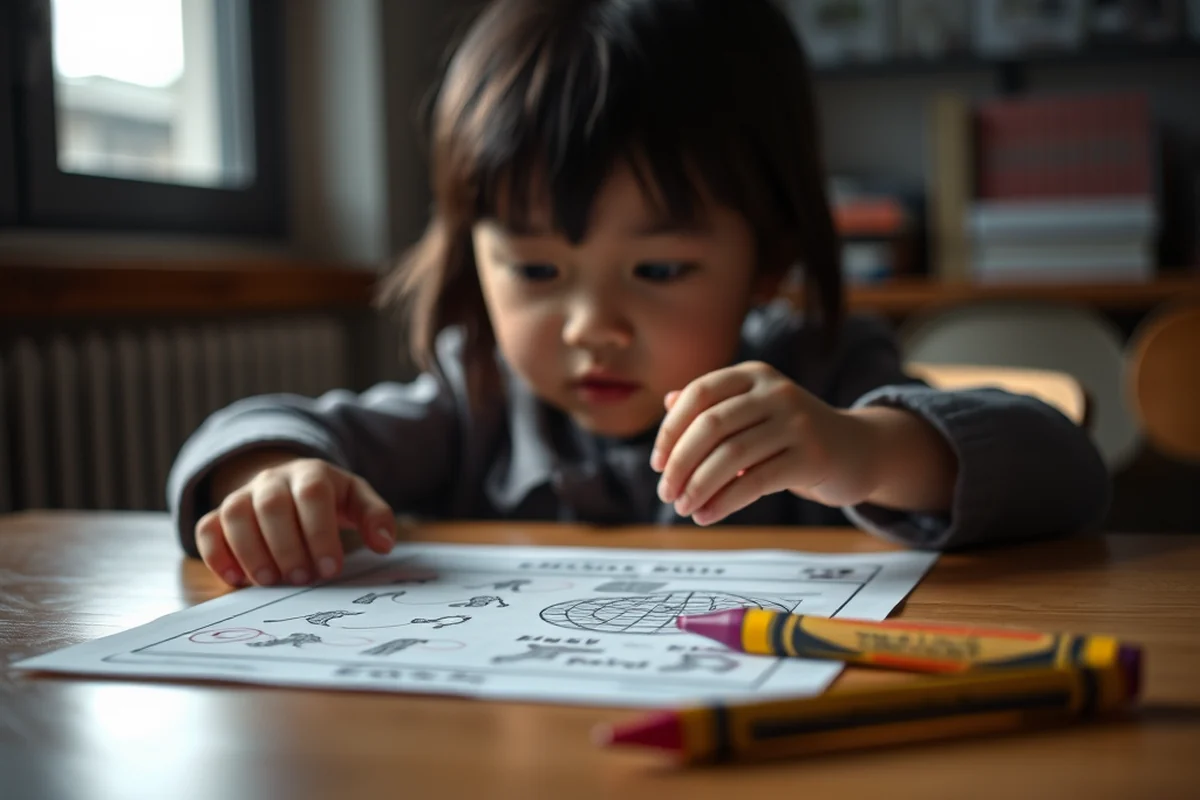
In our experience, the most effective approach was to use a combination of American and British curricula, supplemented by Japanese language and culture lessons. We found that international textbooks provided a strong foundation, while local resources helped our child understand the context of the country.
We also made use of free online materials, such as those offered by Khan Academy and Homeschool Japan, which are tailored for expat families living in the region. These resources provided a good balance of academic rigor and cultural relevance.
It’s important to review your child’s progress regularly and adjust the curriculum as needed. Some families find that focusing on core subjects like math and science first, then incorporating language and social studies later, works best for their child’s learning style.
The right curriculum can make or break your homeschooling journey in Japan.
Related: Can you start homeschooling in year 10
Related: Is homeschooling cheaper
Related: Homeschooling best practices
Related: Homeschooling in bc
Building a Support Network
We joined a local expat homeschooling group through Facebook, which had over 200 members. This group shared resources, hosted meetups, and even organized field trips to local museums and cultural events. The sense of community was incredibly valuable.
In addition to online groups, we found that connecting with international schools in the area was another way to build a support network. Many schools allow non-enrolled students to attend certain classes or events, which can be a great way to access resources and meet other parents.
Don’t underestimate the value of a few close friends who are also homeschooling. These relationships can be a source of both practical help and emotional support during the ups and downs of homeschooling.
Look for Facebook groups or Meetup pages that are specific to your city. These communities can be a goldmine for resources, advice, and even co-op learning opportunities.
“I remember the first time I walked into a Japanese elementary school with my young daughter.”— Homeschooling in Different Countries editors
Related: Homeschooling ideas for 14 year olds
Integrating Japanese Language and Culture
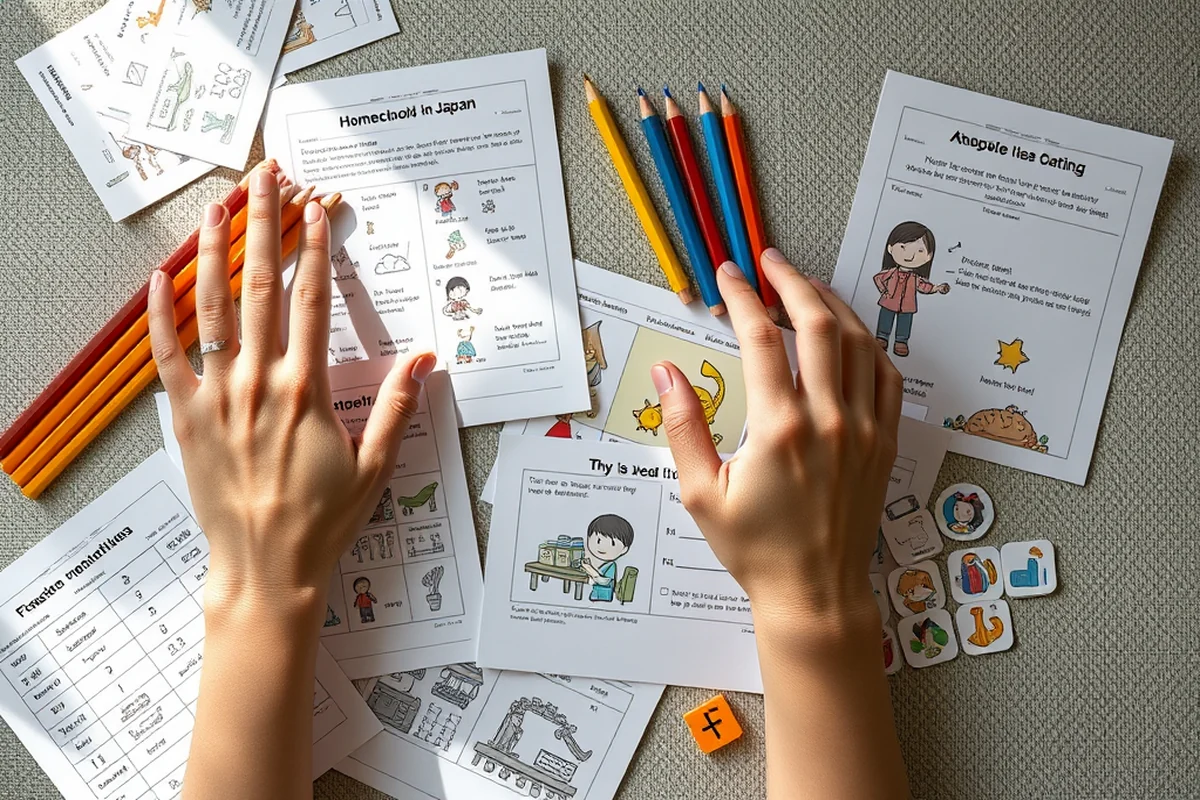
We started our child in a local Japanese language school when they were five, and it made a huge difference in their ability to communicate and connect with their peers. The school also offered cultural lessons, such as calligraphy and tea ceremonies, which were both educational and enjoyable.
We also made it a point to integrate Japanese culture into our daily lessons. We watched educational videos in Japanese, read bilingual books, and even visited local festivals and temples to learn about traditions and history firsthand.
This approach not only helped our child become more fluent in Japanese but also gave them a deeper appreciation for the culture. It also made it easier for them to navigate life in Japan, which is a huge practical benefit.
Using Online Learning Platforms
We used platforms like IXL and Duolingo to supplement our child’s learning. These tools provided interactive lessons that kept our child engaged and made it easy to track progress. We also used video conferencing tools to connect with teachers from other countries for additional support.
One of the best features of online learning is the ability to customize the curriculum. We were able to focus more on subjects that interested our child, such as science and technology, while also ensuring that they met basic academic benchmarks.
While online learning is a great resource, it’s important to balance it with hands-on activities and social interaction. We found that alternating between online lessons and in-person activities helped our child stay motivated and well-rounded.
Navigating the Japanese Education System
The Japanese school system is highly structured, with a focus on discipline, memorization, and standardized testing. While this may not align with the more flexible approach of homeschooling, it’s helpful to understand the expectations of the system when choosing a curriculum.
We found that many private schools in Japan accept students who are not enrolled in their school but allow them to attend certain classes or events. This can be a great way to give your child exposure to the local education system while still following a homeschooling approach.
It’s also worth noting that Japanese students often attend after-school programs called juku, which provide additional academic support. These programs can be a useful supplement to your child’s homeschooling routine.
Knowledge of the Japanese education system can help you navigate the challenges of homeschooling.
Making the Most of Local Resources
We made regular use of our local library, which had a wide range of books, including many in both English and Japanese. The librarians were incredibly helpful in finding resources that aligned with our child’s learning goals.
We also visited museums and science centers on a regular basis. These places offered interactive exhibits that brought our child’s lessons to life and made learning more engaging.
Community centers and local events provided opportunities for our child to interact with other children and learn about different aspects of Japanese culture. These experiences were invaluable in making our child feel more connected to the community.
Dealing with Bureaucratic Hurdles When Homeschooling in Japan
In my experience, the key to successfully handling the bureaucratic hurdles of homeschooling in Japan is preparation, communication, and organization. I found that staying proactive and keeping the local education office informed helped build a positive relationship and made the process more efficient. It's also important to remember that the system may not be perfect, but with patience and persistence, it's possible to create a successful homeschooling environment for your child.
I also recommend reaching out to other homeschooling families in your area for support and advice. Many parents have shared tips and tricks that can help you avoid common pitfalls. Whether it's finding the right forms, preparing your child's learning plan, or understanding the local education office's requirements, having a support network can make a big difference. I found that connecting with other families helped me feel less isolated and gave me the confidence to handle the process successfully.[1]
Finally, I want to emphasize that while the bureaucratic process can be challenging, it's not insurmountable. With the right approach, support, and preparation, it's possible to create a fulfilling and effective homeschooling experience for your child in Japan. I hope these tips and insights will help you handle the process with confidence and ease.
👶 Younger Kids
For younger children, focus on sensory learning and play-based activities that align with their developmental stage.
🎓 Older Kids
For older children, emphasize critical thinking and independent learning through projects and research-based activities.
⏳ No-Prep
Use ready-made online resources and video lessons that require little to no preparation for daily learning.
👥 Group Version
Create a homeschooling co-op where multiple families come together for shared learning and activities.
🔍 Extension
Incorporate advanced topics and specialized learning through online courses and mentorship programs.
| The mistake | Why it happens | The fix |
|---|---|---|
| Not researching the legal framework for homeschooling | Failure to understand Japan’s education laws can lead to complications and misunderstandings with local authorities. | Research the legal requirements and consult with local expat communities to find the best approach for your family. |
| Choosing a curriculum that doesn’t align with local expectations | A curriculum that is too foreign or not aligned with local standards can make it difficult for your child to integrate academically. | Use a combination of international and local resources to ensure a well-rounded education. |
| Ignoring the importance of social interaction | Homeschooling in Japan can be isolating for children who don’t have regular social opportunities. | Make use of local libraries, museums, and community centers to provide social and educational experiences. |
| Relying too much on online learning without balance | Over-reliance on online resources can lead to a lack of hands-on learning and social engagement. | Balance online lessons with in-person activities and community involvement to create a well-rounded learning experience. |
Homeschooling In Japan For Foreigners
Common Questions
Is it legal to homeschool in Japan?
What curriculum do you recommend?
How can I find a support network?
How do I integrate Japanese culture into my child’s education?
References
- AN AMERICAN CLASSICAL SCHOOLS OF IDAHO PETITION (chartercommission.idaho.gov)
Cite this guide
Homeschooling in Different Countries (2026). Homeschooling In Japan For Foreigners. https://culturallywise.com/homeschooling-in-japan-for-foreigners/
Feel free to cite or share this guide.