
Homeschooling In Denmark
📖 Table of Contents
I remember the first time I walked into a Danish school, the scent of wood and fresh paint filled the air. The children were engaged in a project that looked like a mix of art and science. It was there that I realized the Danish approach to education was different — fluid, creative, and deeply community-driven. Homeschooling in Denmark is not just a choice for expats or those living off-grid; it's a growing trend that reflects the nation's emphasis on personalization, creativity, and holistic learning. For families considering this path, understanding how it works in practice is essential.
Homeschooling in Denmark has evolved over the years, shaped by the country's strong educational values and a deep respect for child-led learning. Unlike many countries, Denmark doesn't require parents to have formal teaching credentials, which makes the process more accessible. But it's not without its challenges, from handling the legal requirements to finding the right resources. My own journey through this process taught me that while Denmark offers a supportive environment for homeschooling, it still demands a fair amount of preparation and research.[1]
What struck me most about homeschooling in Denmark was the balance between structure and freedom. The curriculum is not rigid, and families are encouraged to design their own learning journeys. This flexibility can be liberating, but it also requires a clear vision. I've met parents who thrive in this system, creating unique, project-based learning experiences that align with their child's interests and strengths. Homeschooling in Denmark is not just about education; it's about fostering curiosity, independence, and a love for learning in a way that suits each child's unique needs.
Why You'll Love This Approach to Homeschooling
- A flexible, child-led learning environment tailored to your child's needs
- Access to a strong support network of homeschooling families and educators
- Opportunities for hands-on, interdisciplinary learning experiences
- A culture of trust and collaboration between parents, educators, and the community
Legal Framework and Requirements
As of August 2026, Homeschooling in Denmark is not just a matter of choice; it's a legal process. All parents who wish to homeschool their children must register with the local municipality, ensuring their children receive an education that aligns with the national curriculum. This registration process is straightforward and includes submitting a learning plan that outlines the subjects to be covered and the methods used for teaching.
While Denmark does not mandate formal teacher qualifications, parents are expected to provide a quality education that meets the same standards as public schools. This means a focus on core subjects such as Danish, mathematics, science, and social studies. Parents are encouraged to use recognized educational materials and resources to ensure that their children's learning is on par with their peers.
I've spoken with several parents who navigated this process successfully. One shared how they worked with their local education office to design a learning plan that was both comprehensive and flexible. It's a process that requires time and attention to detail, but the support from the local education system makes it manageable.
Before registering, create a clear outline of your child's learning goals and the subjects you'll cover. This will help streamline the registration process and ensure compliance with local requirements.
Part of our Homeschooling guide guide.
Curriculum and Teaching Methods
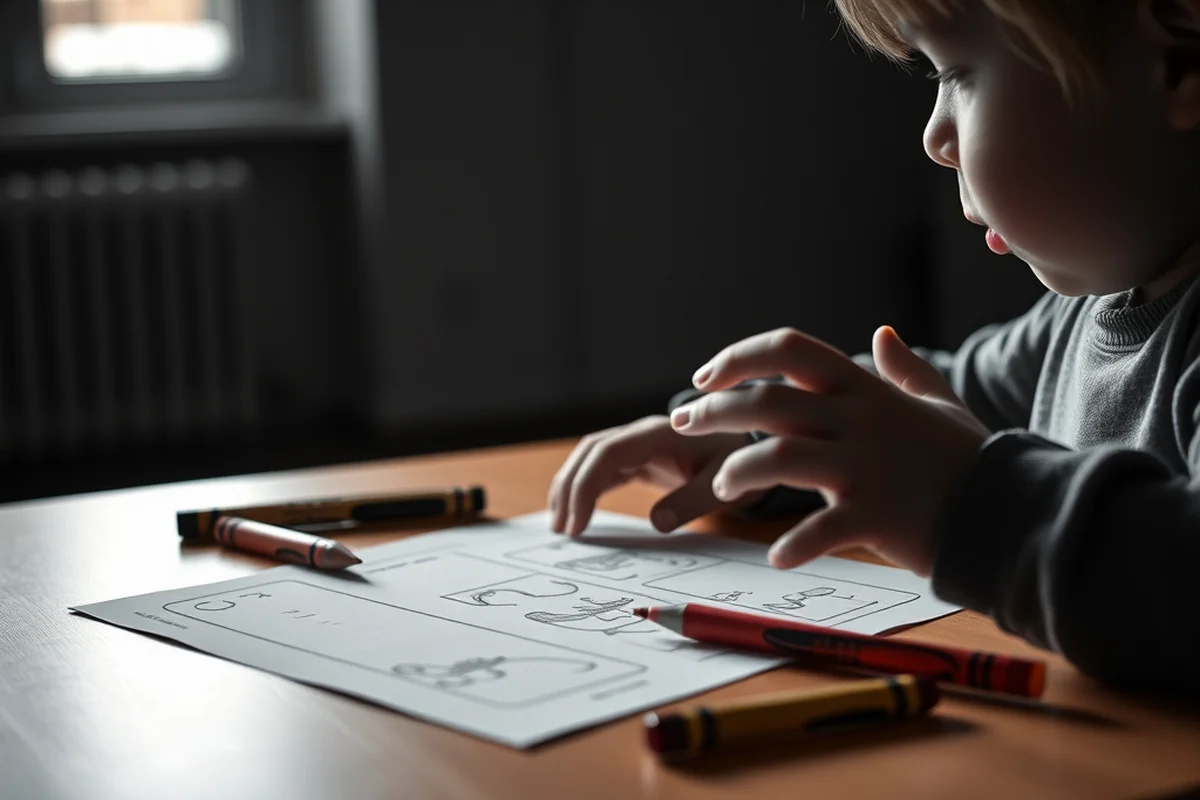
Unlike the rigid structures seen in some educational systems, Danish homeschooling encourages a more personalized and exploratory approach. This can include everything from science experiments in the backyard to history lessons based on local museums. The curriculum is not dictated by a single textbook, but rather by the child's interests and learning goals.
Many Danish homeschoolers use a combination of online resources, books, and hands-on activities to create a well-rounded curriculum. This approach allows children to explore subjects in depth and make real-world connections. For example, a child studying biology might take a field trip to a nearby nature reserve and document their findings in a science journal.
I've seen this approach in action with families who integrate their child's passions into their learning. One parent shared how their daughter's love of music led to a unit on music theory, history, and even physics — all while playing an instrument. This kind of learning is not only engaging but also deeply effective.
Learning is not confined to a classroom — it's everywhere.
Related: Homeschooling in alabama requirements
Related: Homeschooling in arkansas
Related: Homeschooling in colorado requirements
Related: Homeschooling best practices
Related: Homeschooling guidelines
Related: Homeschooling In South Carolina
Related: Homeschooling In Delhi
Related: Homeschooling In El Salvador
Related: Homeschooling In Bangalore
Related: Homeschooling In Oregon
Community and Support Networks
One of the most surprising aspects of homeschooling in Denmark is the vibrant support network that exists for families. Whether it's through local meetups, online forums, or educational co-ops, parents have access to a wide range of resources and peer support.
These communities often organize field trips, workshops, and collaborative learning opportunities. I've attended a co-op class where children from different homeschooling families worked together on a science project — a valuable experience that would be difficult to replicate in a traditional classroom setting.
The sense of belonging that comes from being part of a homeschooling community is something that many parents highlight as a key benefit of the experience. It's not just about education — it's about building connections and creating a shared learning journey.
Finding a local homeschooling group can provide you with valuable support, resources, and opportunities for collaboration. Attend meetups and workshops to connect with other families and share experiences.
“I remember the first time I walked into a Danish school, the scent of wood and fresh paint filled the air, and the children were…”— Homeschooling in Different Countries editors
Related: How Long Does The Homeschooling Process Take
Assessment and Progress Tracking
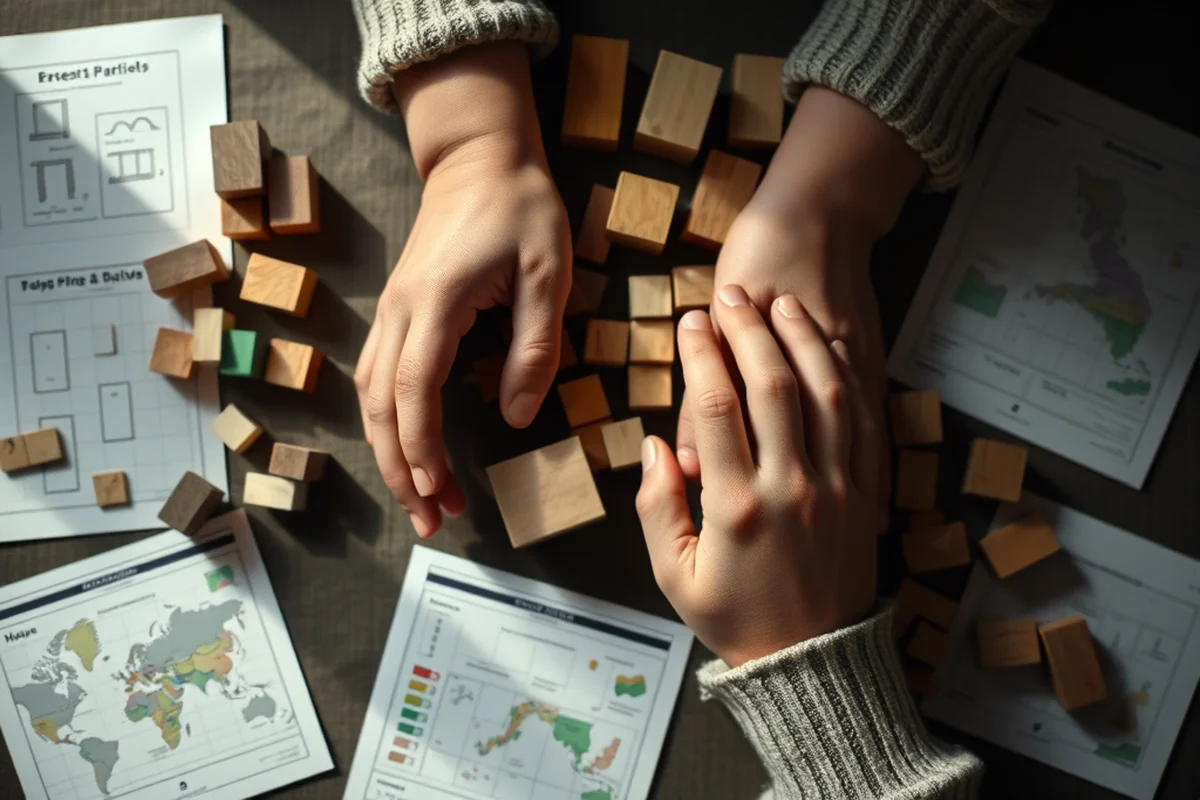
One of the key differences between homeschooling in Denmark and other countries is the absence of standardized tests. Instead, parents are encouraged to use a variety of methods to assess their child's learning progress. This can include portfolios, project-based evaluations, and regular check-ins.
I've spoken with parents who use digital tools to track their child's progress over time. These tools allow them to see patterns, identify areas for improvement, and adjust their teaching methods accordingly. This kind of assessment is not only more flexible but also more personalized.
Another approach used by many homeschoolers is to set learning goals for each term or year and then evaluate whether those goals have been met. This method allows for a more structured and goal-oriented approach to education while still maintaining the flexibility that homeschooling offers.
Access to Educational Resources
Public libraries, museums, and educational institutions in Denmark often provide resources and support to homeschooling families. These can include access to books, online courses, and even guided learning experiences. For example, some libraries offer homeschooling programs that include workshops and book clubs.
In addition to public institutions, many private organizations and co-ops provide educational materials and curriculum guides. These resources are often designed with the Danish curriculum in mind, ensuring that they align with national standards.
I've seen families take advantage of these resources in creative ways. One parent used the local library's online course platform to supplement their child's science education, while another participated in a museum program that offered hands-on learning experiences for children.
Social and Extracurricular Opportunities
One of the common concerns about homeschooling is the impact it may have on a child's social development. However, in Denmark, homeschoolers have access to a wide range of social and extracurricular opportunities. This includes everything from sports clubs to music lessons and even youth organizations.
Many homeschooling families participate in community activities and events, which provide children with opportunities to interact with peers and develop social skills. I've met parents who have their children join local clubs, where they meet other homeschoolers and build friendships in a structured environment.
These opportunities are not only beneficial for socialization — they also provide children with a sense of belonging and a chance to explore their interests outside the home. It's a key part of the Danish homeschooling experience.
Education is not just about academics — it's about life skills and connections.
Cultural and Philosophical Influences
Denmark's educational system is known for its emphasis on equality, creativity, and child well-being. These values are reflected in the homeschooling approach, where the focus is not just on academic achievement but also on the child's overall development.
The Danish philosophy of education encourages children to think critically, express themselves freely, and develop a strong sense of self. This is often achieved through a learning environment that is open, collaborative, and respectful of the child's individuality.
I've seen this philosophy in action with families who prioritize emotional and social development as much as academic learning. One parent shared how their child's confidence grew as they were given the freedom to explore their interests and express their ideas without fear of judgment.
🎨 Younger Kids (Ages 3-6)
Explore the world through play and sensory activities with a focus on creativity and early learning.
📚 Older Kids (Ages 7-12)
Integrate more structured learning with hands-on projects and interdisciplinary exploration.
⚡ No-Prep Option
Use ready-made resources and digital tools to simplify planning and reduce preparation time.
👥 Group Version
Collaborate with other families in a co-op setting for shared learning and social opportunities.
🌍 Extension Activities
Incorporate field trips, museum visits, and community programs for real-world learning experiences.
| The mistake | Why it happens | The fix |
|---|---|---|
| Not registering with the local municipality | Failing to register can lead to legal issues and prevent your child from receiving proper educational oversight. | Always complete the registration process with your local education office before starting to homeschool. |
| Neglecting to follow the national curriculum guidelines | This can result in gaps in your child's education and may not meet the expectations of future academic institutions. | Familiarize yourself with the national curriculum and ensure your learning plan aligns with it. |
| Overlooking the importance of socialization and extracurricular involvement | Children need opportunities to interact with peers and develop social skills outside the home. | Seek out local clubs, co-ops, and community programs that provide social and educational opportunities. |
| Relying too heavily on unstructured learning without clear goals | A lack of structure can lead to disorganization and a lack of direction in your child's education. | Set clear learning goals and use a variety of assessment methods to track your child's progress. |
Homeschooling In Denmark
Common Questions
Do I need to be a qualified teacher to homeschool in Denmark?
How do I register my child for homeschooling in Denmark?
What resources are available for Danish homeschoolers?
Can my child still participate in sports and extracurricular activities if we homeschool?
References
Cite this guide
Homeschooling in Different Countries (2026). Homeschooling In Denmark. https://culturallywise.com/homeschooling-in-denmark/
Feel free to cite or share this guide.