
Homeschooling In India
📖 Table of Contents
- Understanding the Legal Framework
- Curriculum Development: A Cultural and Linguistic Journey
- Resources and Support: Navigating the Landscape
- Assessment and Accreditation: A Path to Recognition
- Community and Social Integration: Navigating the Social Landscape
- Cost Considerations: Balancing Budget and Quality
- The Role of Technology: Bridging the Gap
- Make It Your Way
- Frequently Asked Questions
The first time I realized homeschooling could be a viable option for my family in India was during a long, hot afternoon at a local library. My daughter, then seven, was struggling to keep up with a school that didn’t teach in her native language. I watched as she sat at the back of the classroom, eyes glazed, while the teacher spoke in Hindi to a room full of students who didn’t understand a word. That moment was the beginning of our journey into homeschooling in India — a path that has been both challenging and deeply rewarding.
India’s education system is a patchwork of private and government schools, each with their own set of rules and curricula. For many families, especially those in urban areas or with unique needs, homeschooling has become a growing alternative. Yet, there is still a lot of confusion about how to start, what resources are available, and whether the government supports this choice. Homeschooling in India is not just a trend — it’s a movement that is gaining traction and legitimacy.
In our journey, we’ve discovered that homeschooling in India offers a unique blend of flexibility, cultural relevance, and personalized learning. However, it also requires careful planning, resourcefulness, and a commitment to education that goes beyond textbooks. This article will walk you through the practicalities, challenges, and joys of homeschooling in India — sharing real stories, real strategies, and real results from our experience.
Why You'll Love Homeschooling in India
- Tailored learning that respects cultural and linguistic diversity
- Flexibility to adapt to family schedules and needs
- Opportunities for immersive, hands-on learning experiences
- Strong support networks and growing resources in urban centers
Understanding the Legal Framework
As of September 2026, India’s Constitution does not explicitly mention homeschooling, so families who choose this path operate in a legal gray area. While the Right of Children to Free and Compulsory Education Act (RTE) mandates schooling for children aged 6 to 14, it doesn’t apply to homeschoolers. This leaves many parents unsure of their rights and responsibilities, and without access to government oversight or support.[1]
Despite this, many homeschooling families in India have found workarounds, such as registering with the local education department or enrolling their children in private schools on a part-time basis. In some states, local authorities have shown increasing tolerance, especially when parents provide proof of learning outcomes and regular assessments.
The lack of a clear legal framework means that homeschooling in India requires careful planning and proactive communication with local officials. However, the growing number of homeschooling families — estimated to be in the millions — suggests that this path is becoming more accepted, even if not yet officially recognized.
Research your state’s education board and local education department to understand their stance on homeschooling. Many parents in urban areas have found it helpful to consult with legal experts or local homeschooling groups for guidance.[2]
Part of our Homeschooling high guide.
Curriculum Development: A Cultural and Linguistic Journey
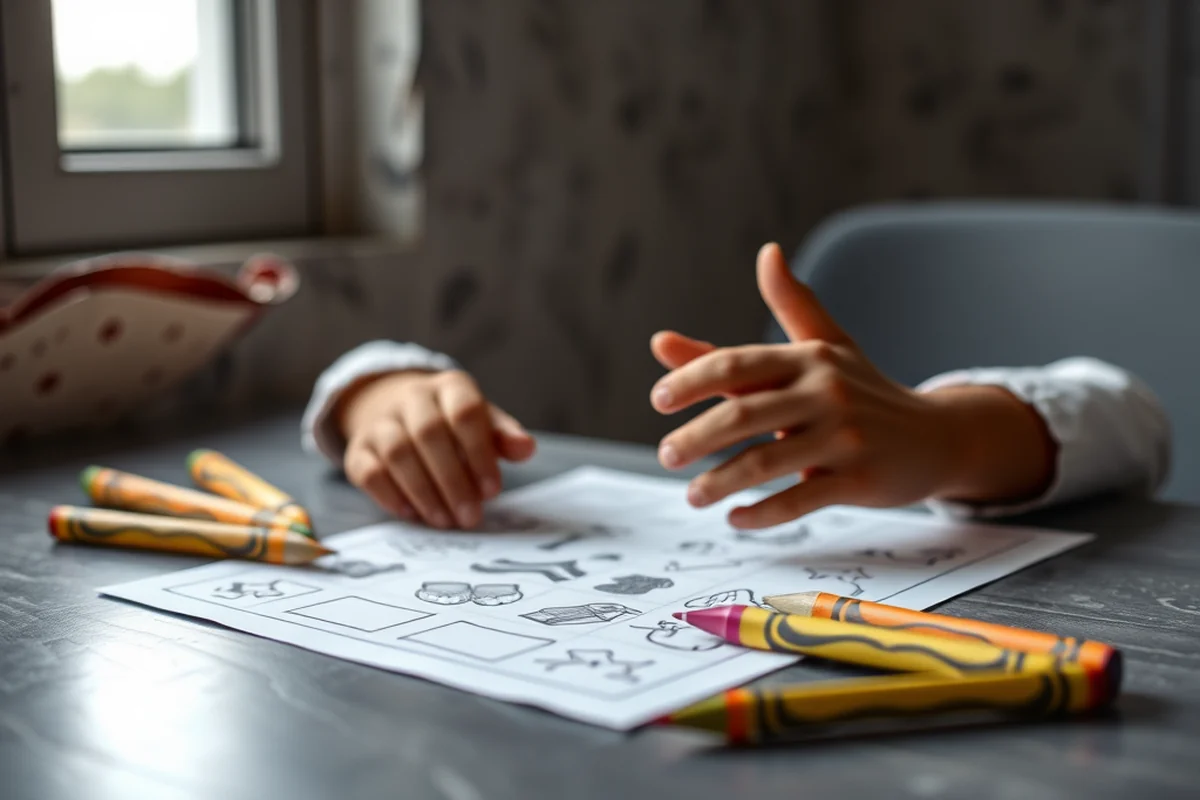
India is home to 22 officially recognized languages, and many more are spoken across the country. This diversity is both a challenge and an opportunity for homeschooling families. A curriculum that reflects local culture, traditions, and languages can foster a deeper connection to learning and identity.[3]
Many homeschooling families in India have turned to hybrid curricula that blend international standards with Indian values. For example, using the Cambridge curriculum while incorporating local history, science projects, and language lessons in the family’s native tongue. This approach ensures that children are not only learning globally relevant skills, but also rooted in their cultural heritage.
A key challenge in curriculum development is ensuring that all subjects are covered comprehensively. Many parents use a mix of online resources, government textbooks, and locally sourced materials to build a well-rounded education.
A child who learns in her mother tongue is more likely to understand, retain, and apply knowledge effectively.
Related: Homeschooling in europe
Related: Homeschooling in high school
Related: What to do in homeschooling
Related: Homeschooling in howard county
Related: Homeschooling in egypt
Resources and Support: Navigating the Landscape
In urban areas, online platforms such as BYJU’S and Vedantu have become valuable tools for homeschooling families. These platforms offer structured learning modules, interactive lessons, and assessments that align with Indian school curricula. Many parents use these resources as a supplement to their own teaching.
Local homeschooling groups are also becoming more common, especially in cities like Bangalore, Mumbai, and Delhi. These groups provide a space for parents to share resources, host workshops, and collaborate on curriculum development. Some groups even organize field trips and co-op classes to give children social learning experiences.
For families in rural areas, access to resources can be more limited. However, many have found creative ways to use locally available materials and online platforms to create a quality education. The rise of mobile internet has also helped bridge this gap, allowing even remote families to access learning opportunities.
Connecting with other homeschooling families in your area can provide invaluable support, resources, and opportunities for collaboration. Look for Facebook groups, Meetup events, or local forums that cater to homeschooling parents.
“The first time I realized homeschooling could be a viable option for my family in India was during a long, hot afternoon at a local…”— Homeschooling in Different Countries editors
Assessment and Accreditation: A Path to Recognition

Homeschooling families in India often use a combination of self-assessment, teacher evaluations, and standardized tests to measure learning outcomes. Many parents opt for international assessments like the IGCSE or IB to ensure that their children’s education meets global standards.
Some schools in India have begun accepting homeschooled students for admission, provided they can demonstrate a strong academic record and pass entrance exams. This has created a growing pathway for homeschooled students to transition into formal education later on.
Despite the lack of formal accreditation, many parents find that their children are able to secure good opportunities in both higher education and the workforce. Homeschooled students who take standardized tests often perform as well as or better than their traditionally schooled peers.
Community and Social Integration: Navigating the Social Landscape
One of the biggest concerns for parents who choose to homeschool is how their children will develop social skills. In India, where family and community are central to identity, it is crucial to ensure that homeschooled children have opportunities to interact with peers.
Many homeschooling families have found that enrolling their children in extracurricular activities — such as sports, music, or coding classes — helps them build social connections. Some parents also organize playdates, attend community events, or join co-ops that allow children to learn with others.
Social integration is not just about play — it’s also about understanding social norms, values, and cultural expectations. Homeschooling families often make a conscious effort to include local traditions, festivals, and community activities in their children’s learning experiences.
Cost Considerations: Balancing Budget and Quality
For many families, the cost of homeschooling in India is a major concern. While some parents choose to rely on free online resources and locally available materials, others invest in high-quality textbooks, educational software, and tutoring services.
In urban areas, parents often use a mix of paid and free resources to build a comprehensive curriculum. Some families have also formed co-ops to share the cost of books, online subscriptions, and teacher fees.
The average annual cost of homeschooling in India can range from ₹50,000 to ₹200,000, depending on the number of children, the level of instruction, and the resources used. However, many families find that the long-term benefits far outweigh the initial investment.[4]
Investing in quality education for your child is one of the best investments you can make.
The Role of Technology: Bridging the Gap
With the rise of mobile internet and digital learning platforms, technology has become a game-changer for homeschooling in India. Parents can now access a wide range of educational resources, from video lessons to interactive apps, that make learning more engaging and effective.
Online platforms such as Khan Academy, Coursera, and others have made it possible for homeschooled students in India to access world-class education at little to no cost. These platforms are often used as supplementary tools, allowing parents to customize their child’s learning experience.
However, access to technology is not always equal. In rural areas, where internet connectivity is limited, parents often rely on local libraries, government schools, or community centers to provide access to learning materials. This has led to the creation of hybrid learning models that blend offline and online resources.
🎒 Younger Kids Activity
A sensory-based learning activity for children aged 3-6, using play and storytelling to teach basic concepts.
📚 Older Kids Activity
A project-based learning activity for children aged 10-15, focusing on research, writing, and critical thinking.
✨ No-Prep Activity
A quick, no-prep activity that can be done on any day, using freely available online resources and household items.
👥 Group Activity
A collaborative activity designed for small groups of homeschooling families, combining learning with social interaction.
🔍 Extension Activity
A deeper dive into a specific subject, designed to challenge and expand the knowledge of older students.
| The mistake | Why it happens | The fix |
|---|---|---|
| Assuming all resources are freely available | Not all educational materials are free, and some high-quality resources may require payment or subscription. | Create a budget for educational resources and explore both free and paid options to build a comprehensive curriculum. |
| Ignoring the need for social interaction | Children need social engagement to develop important life skills and build relationships. | Incorporate regular social activities, playdates, and community events into your child’s schedule. |
| Neglecting parental involvement | Homeschooling requires consistent involvement from parents, who must manage both teaching and administration. | Create a structured schedule and involve other family members or tutors if needed to ensure a balanced approach. |
| Underestimating the need for assessment | Without proper assessment, it can be difficult to track a child’s progress and identify areas that need improvement. | Use a combination of self-assessment, teacher evaluations, and standardized tests to monitor learning outcomes effectively. |
Homeschooling In India
Common Questions
Is homeschooling legal in India?
Can homeschooling students take standardized tests?
How much does it cost to homeschool in India?
Are there support groups for homeschooling parents in India?
References
- Educational Reforms Worldwide - ResearchGate (files.eric.ed.gov)
- Home School Education - Minnesota Department of Education (education.mn.gov)
- Indiana Department of Education: Homeschool Information (in.gov)
- Federal Pell Grant Program of the Higher Education Act: Primer (congress.gov)
Cite this guide
Homeschooling in Different Countries (2026). Homeschooling In India. https://culturallywise.com/homeschooling-in-india/
Feel free to cite or share this guide.