
Homeschooling Ideas For 13 Year Olds
📖 Table of Contents
- Hands-On Science Experiments with Real-World Applications
- Debates and Discussions on Current Events
- Creative Writing and Storytelling Projects
- Virtual Field Trips and Global Exploration
- Learning Through Music and Art
- Math in Real Life: Practical Applications
- Project-Based Learning: Taking on Real Challenges
- Make It Your Way
- Frequently Asked Questions
At 13, my son was a whirlwind of curiosity, energy, and sometimes, frustration. He’d ask questions that made me rethink everything I thought I knew about teaching. That’s when I realized that homeschooling for a 13-year-old isn’t just about lessons — it’s about finding ways to engage them in a way that feels relevant, fun, and meaningful. Whether it was coding a simple game or discussing the ethics of AI, I was reminded that teens this age thrive on connection, challenge, and a sense of purpose. And the more I tried different homeschooling ideas for 13-year-olds, the more I saw how learning could be both structured and spontaneous, academic and creative.[1]
One of the biggest revelations was that 13 is a year of transition — it’s the age where kids begin to see themselves as more than just students. They want to be heard, they want to explore the world, and they want to know that their education isn’t just about preparing for a test but preparing for life. So, when I started brainstorming homeschooling ideas for 13-year-olds, I focused on activities that blended hands-on learning with opportunities for self-expression. This was a time for experiments, debates, art, and even a little bit of travel through books or virtual tours. It was about building a curriculum that felt like a journey, not a checklist.[2]
Over time, I found that the most successful homeschooling ideas for 13-year-olds weren’t the ones that came from textbooks or worksheets but the ones that emerged from our shared experiences. Whether we were learning about the physics of a skateboard or discussing the impact of social media on mental health, the key was to make learning feel like a natural part of life. This article is a collection of those moments — practical, engaging, and tailored for a 13-year-old who’s standing at the crossroads of childhood and adolescence, eager to learn, and ready to explore.[3]
Why You'll Love This Article
- Concrete, tested homeschooling ideas tailored for 13-year-olds
- Activities that blend creativity with critical thinking
- Tips for balancing structure and flexibility in learning
- Inspiration for making education both fun and meaningful
Hands-On Science Experiments with Real-World Applications
As of September 2026, Science doesn’t have to be confined to a lab. I once had my son explore the concept of renewable energy by building a small wind turbine using a cardboard box, a small DC motor, and some plastic bottles. He spent hours fine-tuning the blades, testing different angles, and recording the voltage output. It was messy, it took several failed attempts, and he got frustrated — but in the end, he had a functional model and a deeper understanding of energy conversion.
We also conducted a pH experiment using everyday items like vinegar, baking soda, and fruit juice. He tested different liquids, created a color chart based on the pH levels, and even used it to explain why some fruits are more acidic than others. It was a simple activity but it sparked a lot of discussion about chemistry in daily life.
These kinds of experiments are not only educational but also help kids develop problem-solving skills and resilience. They learn that failure is part of the process and that even small successes are worth celebrating.
Encourage your child to document each experiment with sketches, notes, and reflections. This helps reinforce learning and provides a reference for future projects.
Debates and Discussions on Current Events
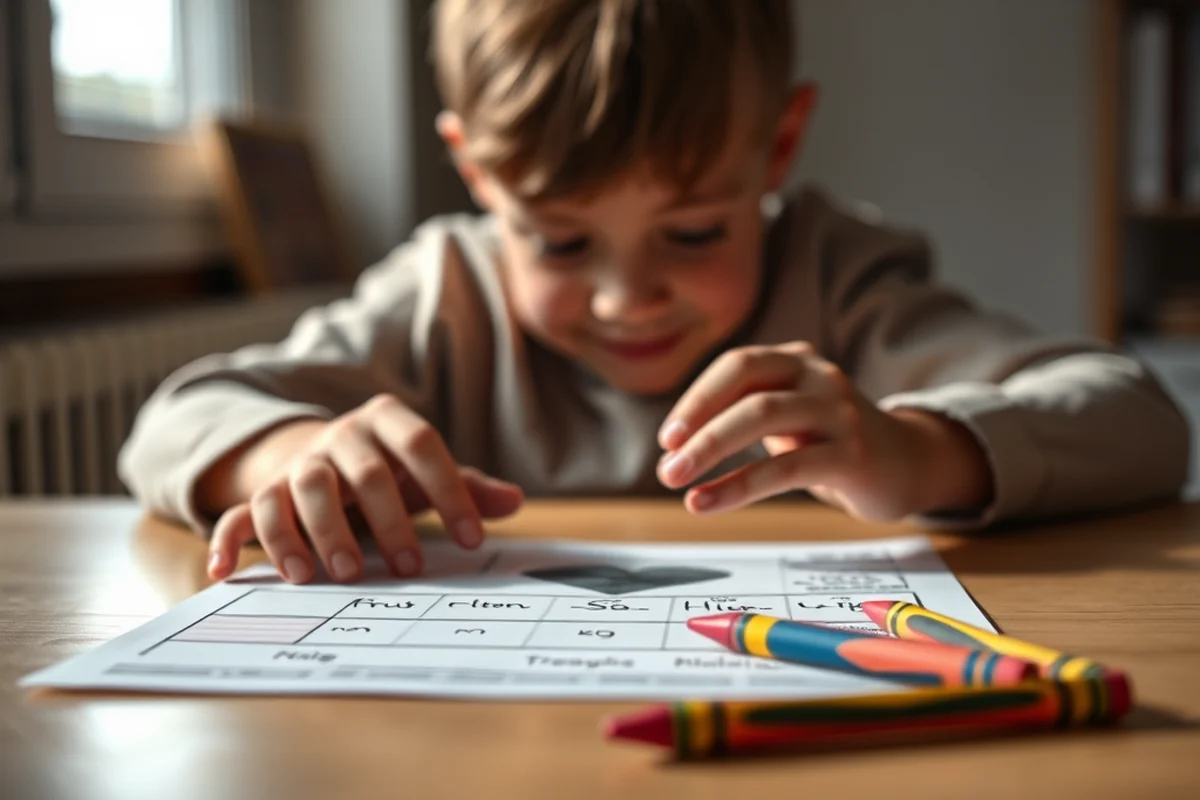
I once started a debate on whether social media platforms should be held responsible for the mental health issues of their users. My son and a few friends from the homeschool group joined in, and we spent an hour discussing the pros and cons of regulation, privacy, and personal responsibility. It was one of the most intense and enlightening conversations we ever had.
We used news articles, videos, and even TED Talks as sources. The kids took turns presenting their arguments, and after each point, we had to vote on which side had the stronger case. It was a great way to teach them how to structure an argument, listen actively, and think critically about complex issues.
These kinds of discussions can be powerful, but they also require a safe and respectful environment. It’s important to set clear rules, encourage empathy, and make sure everyone feels heard and valued.
Debates aren’t just about winning — they’re about understanding.
Related: Best homeschooling in india
Creative Writing and Storytelling Projects
I once had my son write a short story from the perspective of a 13-year-old in a different country, dealing with a unique cultural challenge. He chose to write about a boy in Japan who was trying to handle the pressures of academic excellence. It was a deeply moving piece that made me see how much empathy he had for others.[4]
We also did a collaborative story project where each of us wrote a paragraph and passed it to the next person. The final story was unpredictable and full of twists, and it taught my son the value of collaboration and storytelling as a form of communication.
Creative writing is a powerful tool for self-expression and can be especially valuable for teens who may be struggling to find their voice. It also helps them practice writing, grammar, and structure in a fun and engaging way.
Tailor writing prompts to your child’s interests, whether it’s fantasy, science fiction, historical events, or even real-life challenges they’re facing.
“At 13, my son was a whirlwind of curiosity, energy, and sometimes, frustration.”— Homeschooling in Different Countries editors
Related: Homeschooling in alabama requirements
Virtual Field Trips and Global Exploration
We used the Smithsonian’s online museum tours to explore ancient Egypt, Rome, and even the International Space Station. My son was fascinated by the detailed 3D models and the ability to zoom in on artifacts and space equipment. It was an immersive experience that felt almost like being there in person.
We also took a virtual tour of the Louvre and watched a guided tour of the Mona Lisa. My son was so engaged that he asked me to book a real trip to France — and I did. It was a small but powerful reminder of how learning can spark a desire for real-world exploration.
Virtual field trips are a great way to make learning more interactive and to expose teens to the world in ways that might not be possible otherwise. They also help build a sense of curiosity and a lifelong love of learning.
Related: Homeschooling ideas for 3 year old
Learning Through Music and Art
I once had my son create a piece of art based on a song he loved. He chose a modern track and interpreted the emotions and themes in the song through abstract painting. It was a beautiful way for him to connect with music on a deeper level and to express his feelings in a nonverbal way.
We also explored the history of different musical genres by listening to songs from the 1960s, 1970s, and even the 1980s. He was surprised at how different the music was from what he listens to today and it sparked a great discussion about how music reflects the culture and values of its time.
Learning through music and art is a powerful way to engage teens who may be more visually or musically inclined. It also helps them develop a sense of identity and self-expression that’s essential at this age.
Related: Homeschooling guidelines in ohio
Math in Real Life: Practical Applications
I had my son calculate the cost of a road trip to a nearby city, including gas prices, tolls, and lodging. He used maps to figure out the route, estimated the fuel consumption, and even considered the cost of meals. It was a complex project, but he was excited to see how math applied to something he was planning to do in real life.
We also did a budgeting project where he had to plan a month’s worth of expenses as if he were living on his own. He had to track everything from rent to groceries and even consider unexpected costs like car repairs. It was a challenging but eye-opening experience.
Math doesn’t have to be abstract. When teens see how it applies to their daily lives, they’re more likely to engage with it and understand its value. It also helps them develop important life skills like financial literacy and problem-solving.
Math is not just numbers — it's the language of the real world.
Related: Can you start homeschooling in year 10
Project-Based Learning: Taking on Real Challenges
One of the most impactful projects we did together was researching and creating a proposal for a local environmental initiative. My son wanted to tackle plastic waste in our town, so he interviewed local officials, collected data on waste disposal, and even created a presentation that he shared at a community meeting. It was a huge confidence boost for him.
We also did a project on entrepreneurship, where he designed a simple app idea, researched the market, and even created a prototype using a free app development tool. He was excited about the idea of turning his creativity into something tangible and useful.
Project-based learning is a powerful way to help teens develop a sense of purpose and agency. It also helps them see the real-world impact of their learning and the value of hard work and perseverance.
🧪 Science Experiments for 13-Year-Olds
Explore the world of chemistry and physics with hands-on experiments that are both educational and fun.
🌍 Virtual Cultural Tours
Take your child on a journey around the world through virtual museum visits and cultural experiences.
✍️ No-Prep Creative Writing
Encourage writing with minimal preparation — just a pen, paper, and a spark of imagination.
🗣️ Group Debates on Current Topics
Bring a group of teens together for structured, respectful debates on real-world issues.
🧮 Math in the Real World
Use everyday scenarios like budgeting or planning trips to teach math in a practical way.
| The mistake | Why it happens | The fix |
|---|---|---|
| Forcing a rigid schedule without flexibility. | Teens need time to process, explore, and sometimes just relax. A too-structured approach can stifle creativity and lead to burnout. | Build a flexible schedule that allows for breaks, spontaneous learning, and time for the teen to pursue their own interests. |
| Not allowing the teen to take ownership of their learning. | 13-year-olds are at an age where they want to feel in control of their education. Not involving them in the process can lead to disengagement. | Give them a say in what they learn, how they learn it, and even how they assess their progress. |
| Overlooking the importance of social interaction. | Homeschooling can be isolating, and teens need social connections to develop their communication skills and sense of identity. | Create opportunities for group learning, virtual meetups, or even community projects to help them build relationships and collaborate with others. |
| Neglecting emotional and psychological development. | At 13, kids are navigating complex emotions and identity. Not addressing these can lead to frustration and disconnection. | Incorporate activities that encourage reflection, self-expression, and emotional intelligence — like journaling, art, or group discussions. |
Homeschooling Ideas For 13 Year Olds
Common Questions
How can I make learning more engaging for a 13-year-old?
What are some good science experiments for 13-year-olds?
How can I help my child develop critical thinking skills?
What are some creative writing prompts for 13-year-olds?
References
- Homeschooling? - Legislative Research Commission (apps.legislature.ky.gov)
- Homeschoolers: Estimating Numbers and Growth - GovInfo (govinfo.gov)
- COE - Homeschooled Children and Reasons for Homeschooling (nces.ed.gov)
- Frequently Asked Questions: Homeschooling - NJ.gov (nj.gov)
Cite this guide
Homeschooling in Different Countries (2026). Homeschooling Ideas For 13 Year Olds. https://culturallywise.com/homeschooling-ideas-for-13-year-olds/
Feel free to cite or share this guide.