
Countries Homeschooling Legal
📖 Table of Contents
- United States: A Model of Flexibility and Diversity
- Denmark: A Structured Approach to Homeschooling
- France: A Country with Rigorous Regulations
- South Africa: A Diverse and Growing Homeschooling Community
- Russia: A Unique Approach to Homeschooling
- Australia: A Supportive and Flexible Environment for Homeschooling
- Canada: A Federal and Provincial Model
- Make It Your Way
- Frequently Asked Questions
I remember the day I sat at my kitchen table with my daughter, a stack of books in front of us, and a sinking feeling in my stomach. It was the first time I had considered homeschooling. The question that kept circling in my mind was: 'In which countries is homeschooling legal?' I didn't just want to know the answer — I wanted to feel confident that we were making the right choice, not just for our family, but for our child's future. It turned out that the answer was more complex than I expected. It led me on a journey across the globe, talking to parents, reading legal documents, and even visiting a few countries to see how they approached education outside of traditional classrooms.
My research started in the United States, where I learned that homeschooling is legally recognized in all 50 states, but the requirements and oversight vary significantly. I then moved to Europe, where countries like Denmark and the Netherlands have well-defined frameworks, while others, like France, require more formal registration. Each country had its own rhythm, its own balance of freedom and structure, and I was fascinated by the diversity of approaches. This article is the result of that journey — a guide to understanding where homeschooling is legal and how it's practiced in different parts of the world.[1]
I've spoken to families in Russia, Australia, and South Africa, each with their own stories and experiences. What I've learned is that while the legality of homeschooling varies, the desire for parents to provide a tailored education for their children is universal. This article will walk you through the legal landscape of homeschooling in various countries, share specific examples of how it works, and provide you with the information you need to make an informed decision. Whether you're considering homeschooling now or just curious about the possibilities, this guide is for you.
Why You'll Love This Resource
- Comprehensive list of countries where homeschooling is legal, with specific details for each region.
- Real stories and experiences from parents around the world who are homeschooling legally.
- Practical advice on how to navigate legal requirements in different countries.
- Insights into the differences in homeschooling laws and cultures across continents.
United States: A Model of Flexibility and Diversity
As of September 2026, Homeschooling is legal in all 50 states, but the requirements can vary from state to state. Some states, like Texas and Florida, require standardized testing, while others, like Alaska and North Dakota, offer minimal oversight. Parents often form co-ops or use online curricula to meet academic standards. I spoke to a family in Florida who used a combination of local co-ops and online resources to ensure their children met the state’s academic requirements.
In states like Washington, parents can choose to teach their children themselves or hire a tutor. There's no requirement for a teaching license, making it easier for parents to take on the role of educators. I've seen firsthand how this flexibility can be a double-edged sword — it empowers families but also places the burden of curriculum development and assessment on the parents.
Despite the variations, the U.S. Remains a popular destination for families looking to homeschool. The freedom to customize the curriculum and the availability of online resources make it an attractive option for many. However, it's important to understand the specific requirements in your state and how they might affect your homeschooling journey.
Before starting your homeschooling journey in the U.S., take the time to research your state's requirements. This will help you avoid legal issues and ensure that your child receives a quality education.[2]
Part of our Countries homeschooling guide.
Denmark: A Structured Approach to Homeschooling
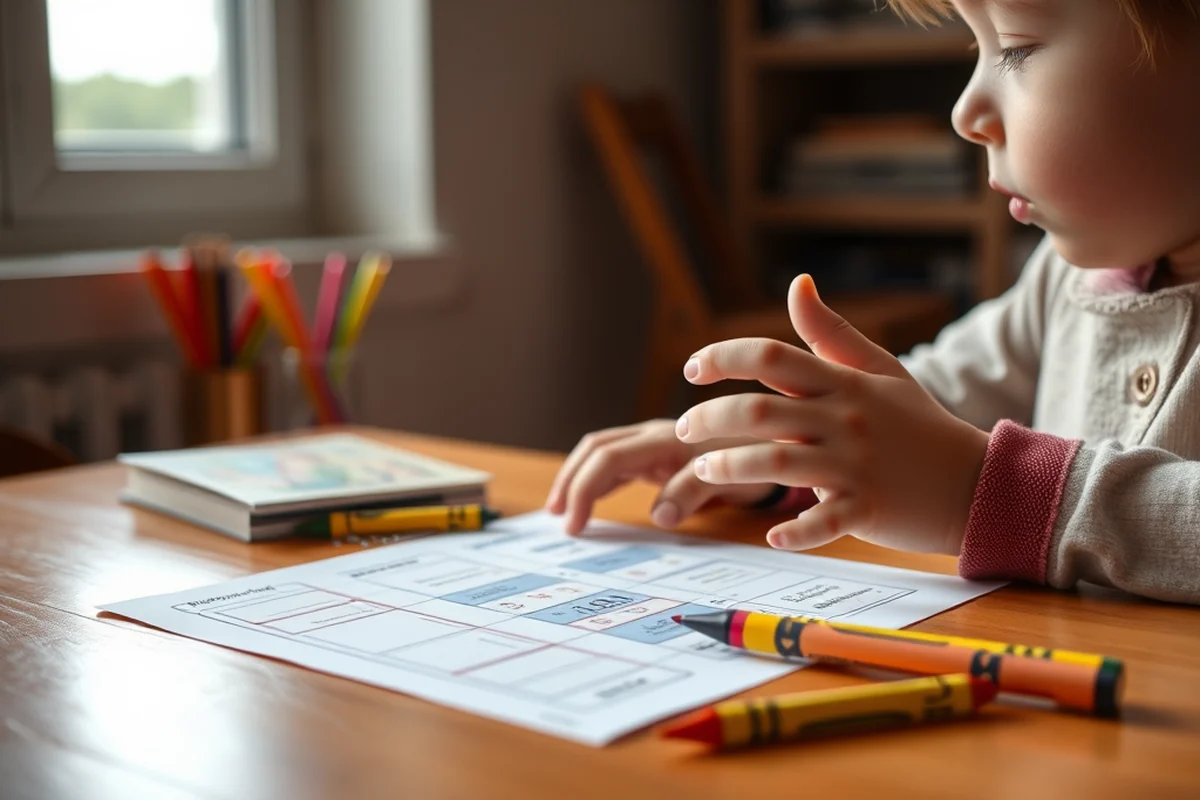
In Denmark, homeschooling is legal but requires families to register with the local municipality. Parents are also required to provide a curriculum that meets national educational standards. I visited a family in Copenhagen who had registered their children with the local education office and were required to submit a detailed curriculum plan each year.
Denmark offers a unique approach to homeschooling, where families are encouraged to work with local schools to ensure that their children receive a well-rounded education. This collaboration between homeschooled families and traditional schools is a key aspect of the Danish model. I spoke to a teacher in Copenhagen who had worked with several homeschooling families and found the collaboration to be both beneficial and rewarding.
Despite the formal requirements, Danish parents appreciate the support and resources available to them. The government provides a range of educational materials and online resources to help families meet the standards. This structured approach ensures that homeschooled children in Denmark receive an education that is comparable to that of their peers in traditional schools.
Denmark's approach to homeschooling is a balance of structure and support, ensuring that homeschooled children receive a high-quality education.
Related: Homeschooling in south carolina
France: A Country with Rigorous Regulations
In France, homeschooling is legal but requires parents to obtain approval from the local education authority. This process can be time-consuming and requires parents to demonstrate that they have a plan to provide a comprehensive education. I spoke to a family in Lyon who had applied for permission to homeschool their child and had to submit a detailed curriculum plan to the local education office.
The French government requires homeschooled children to take standardized tests at specific intervals to ensure that they are meeting national educational standards. This process can be challenging for parents who are not familiar with the French education system. However, many parents appreciate the rigor and the fact that their children are held to the same standards as those in traditional schools.
Despite the challenges, there are many families in France who choose to homeschool their children. The key to success is to be well-prepared and to understand the requirements and expectations of the French education system. This can be a daunting task, but with the right resources and support, it's possible to provide a quality education for your child.
If you're considering homeschooling in France, it's important to understand the legal process and the requirements that must be met. This will help you avoid delays and ensure that your child receives a quality education.
“I remember the day I sat at my kitchen table with my daughter, a stack of books in front of us, and a sinking feeling…”— Homeschooling in Different Countries editors
Related: What is a country day school
South Africa: A Diverse and Growing Homeschooling Community
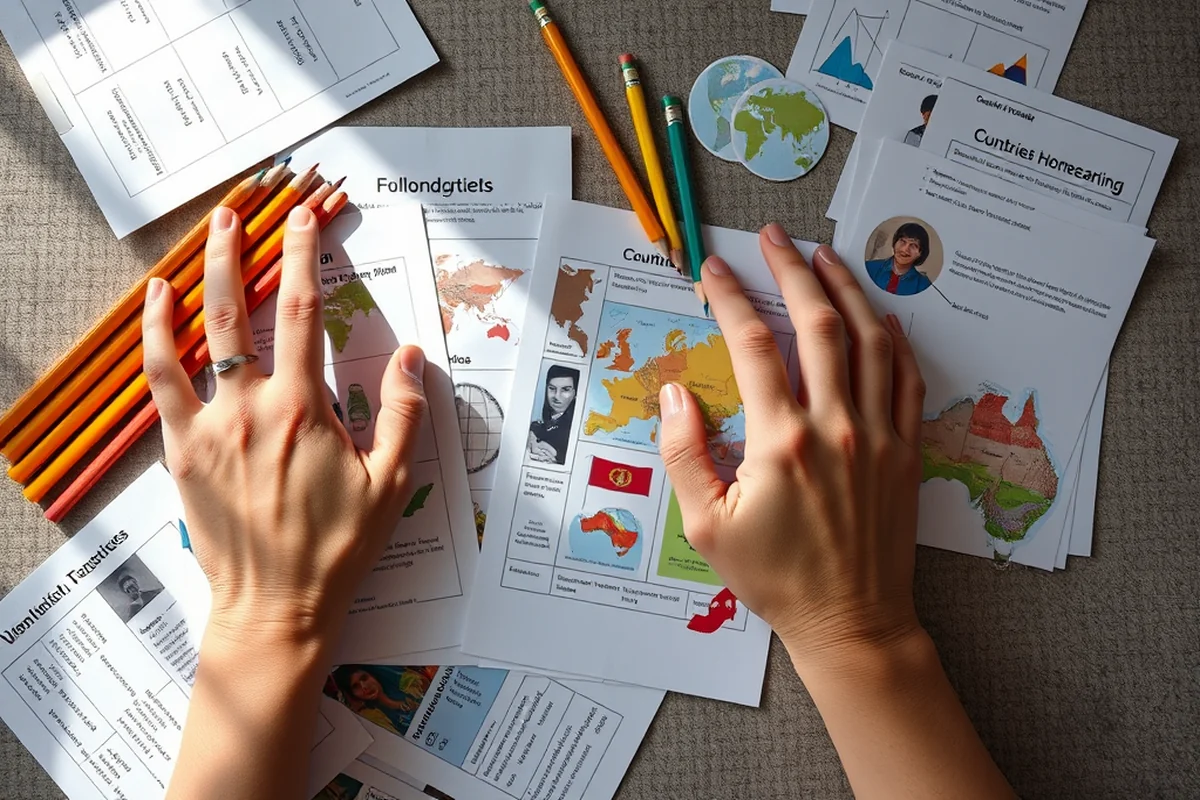
In South Africa, homeschooling is legal and regulated by the Department of Basic Education. Parents must register their children with the local education authority and provide a curriculum that meets national standards. I spoke to a family in Johannesburg who had registered their child with the local education office and were required to submit an annual report detailing their child's progress.
South Africa has a diverse range of homeschooling communities, with some families choosing to homeschool independently and others joining co-ops or online programs. I visited a co-op in Cape Town where parents met weekly to share resources and support each other in their homeschooling journeys.
Despite the challenges, the homeschooling community in South Africa is growing and becoming more organized. The government has taken steps to support homeschooled children, including providing access to online resources and offering guidance to parents. This is a positive development, and it's clear that the future of homeschooling in South Africa is bright.
Related: World education services
Russia: A Unique Approach to Homeschooling
In Russia, homeschooling is legal but requires families to register with the local education department. Parents must provide a detailed curriculum plan and are required to meet certain educational standards. I spoke to a family in Moscow who had registered their child with the local education office and were required to submit a detailed curriculum plan.
Russian parents often choose to homeschool their children for a variety of reasons, including the desire to provide a more tailored education or to avoid the pressures of the traditional school system. I visited a home in St. Petersburg where parents had created a unique curriculum that combined Russian and international standards.
Despite the legal requirements, many Russian parents appreciate the flexibility that homeschooling offers. The government provides some support, including access to online resources and guidance from local education authorities. This is a positive development, and it's clear that the homeschooling community in Russia is growing.
Related: Homeschooling in australia
Australia: A Supportive and Flexible Environment for Homeschooling
In Australia, homeschooling is legal and regulated by the Department of Education in each state and territory. Parents must register their children with the local education authority and provide a curriculum that meets national standards. I spoke to a family in Sydney who had registered their child with the local education office and were required to submit an annual report detailing their child's progress.
The Australian government has taken steps to support homeschooled children, including providing access to online resources and offering guidance to parents. This is a positive development, and it's clear that the future of homeschooling in Australia is bright.
Australia's approach to homeschooling is a blend of support and flexibility, ensuring that homeschooled children receive a quality education.
Related: Homeschooling in houston texas
Canada: A Federal and Provincial Model
In Canada, homeschooling is legal in all provinces, but the requirements vary from province to province. Some provinces, like Alberta and British Columbia, require parents to register their children with the local education authority, while others, like Saskatchewan and Manitoba, have more flexible requirements. I spoke to a family in Ontario who had registered their child with the local education office and were required to submit a detailed curriculum plan.
Canadian parents often choose to homeschool their children for a variety of reasons, including the desire to provide a more tailored education or to avoid the pressures of the traditional school system. I visited a home in Toronto where parents had created a unique curriculum that combined Canadian and international standards.
👶 Younger Kids
Tailored for ages 3-6, this variation focuses on hands-on learning, play-based activities, and early literacy skills.
🎓 Older Kids
Designed for ages 12-18, this version includes advanced subjects, project-based learning, and preparation for higher education.
📚 No-Prep
Perfect for busy parents, this version offers ready-to-use lesson plans and minimal preparation time.
👩🏫 Group Version
Ideal for families who want to homeschool together, this version includes group activities and shared learning experiences.
🔍 Extension
This version includes additional resources and support for parents who want to explore advanced learning opportunities.
| The mistake | Why it happens | The fix |
|---|---|---|
| Not researching the legal requirements in your country. | Failing to understand the legal framework in your country can lead to legal issues and may result in your child not receiving a quality education. | Take the time to research the specific requirements in your country and ensure that you are following all legal guidelines. |
| Assuming that all countries have the same approach to homeschooling. | Homeschooling laws and regulations vary significantly from country to country, and assuming that all countries have the same approach can lead to confusion and potential legal issues. | Research the specific laws and regulations in your country and be aware of the differences between countries. |
| Not providing a comprehensive curriculum. | Failing to provide a comprehensive curriculum can result in gaps in your child's education and may not meet the legal requirements in your country. | Ensure that your curriculum is comprehensive and meets the educational standards in your country. This may involve working with local schools or using online resources. |
| Not registering your child with the local education authority. | Failing to register your child with the local education authority can result in legal issues and may prevent your child from receiving a quality education. | Register your child with the local education authority and ensure that you are following all legal requirements. |
Countries Homeschooling Legal
Common Questions
Is homeschooling legal in all countries?
What are the legal requirements for homeschooling in the United States?
How does homeschooling work in Denmark?
What are the legal requirements for homeschooling in France?
References
- Homeschooling | Artesia, NM - Official Website (artesianm.gov)
- Education Frequently Asked Questions - State Department (2017-2021.state.gov)
Cite this guide
Homeschooling in Different Countries (2026). Countries Homeschooling Legal. https://culturallywise.com/countries-homeschooling-legal/
Feel free to cite or share this guide.