Homeschooling Guidelines In Florida
📖 Table of Contents
- Understanding Florida's Legal Framework for Homeschooling
- Setting Educational Standards in Florida
- Choosing the Right Homeschooling Method
- Leveraging Online Resources in Florida
- Connecting with Local Homeschooling Communities
- Assessing Your Child’s Progress
- Preparing for the Future
- Make It Your Way
- Frequently Asked Questions
When I first considered homeschooling my daughter in Florida, I felt overwhelmed by the sheer volume of information out there. I spent hours scrolling through websites, reading forums, and even calling local school districts, trying to piece together what exactly was required. What I didn’t expect was that Florida’s homeschooling guidelines are both flexible and well-defined, offering families a clear path forward while still allowing for personalization. I discovered that the state’s approach is less about rigid curriculum mandates and more about empowering parents to take the lead in their child’s education.
One of the first things that struck me was the lack of centralized oversight. Unlike some states where homeschooling requires approval from a state department, Florida allows parents to take the lead with minimal bureaucratic interference. This means that the onus is on the parent to ensure their child meets state academic standards. While this might sound daunting, it also offers a tremendous amount of freedom, allowing families to tailor their child’s learning experience around their unique needs, interests, and schedules.
After a few months of navigating Florida’s homeschooling guidelines, I found that the process was far more manageable than I had imagined. With a combination of state resources, local support groups, and online materials, I was able to create a curriculum that was both comprehensive and engaging. The real takeaway was that while Florida’s guidelines are clear, they are also adaptable, making it easier for parents to find a balance between structure and creativity in their child’s education.
Why You'll Love This Homeschooling Journey in Florida
- Minimal state oversight gives you more control over your child’s learning experience.
- Access to a wide range of online and in-person support resources.
- Flexibility to create a tailored curriculum that suits your family’s lifestyle.
- Opportunities to connect with other homeschooling families in the community.
Understanding Florida's Legal Framework for Homeschooling
As of September 2026, under Florida Statute 1002.41, parents have the right to homeschool their children without the need for a state-issued certificate. This means that as long as your child meets the state’s academic standards, you are legally allowed to provide their education. The Florida Department of Education does not require parents to register their children with the state, though they may choose to do so for additional support.[1]
One of the most important aspects of Florida’s legal framework is that it allows for a variety of homeschooling models, including traditional homeschooling, unschooling, and co-ops. This gives families the freedom to choose the approach that best fits their child’s learning style and their family’s schedule. However, it is important to understand that while registration is not required, some local school districts may offer resources to registered homeschoolers.
Parents should be aware that while Florida does not require assessments, some districts offer optional evaluations, which can be a helpful way to track a child’s academic progress. If you decide to use a certified curriculum or work with a tutor, you may be required to follow specific guidelines. Can be found through the Florida Virtual School or your local education office.
Take time to review Florida’s homeschooling laws in detail. Understanding your legal rights and responsibilities will help you make informed decisions about your child’s education.
Part of our Start homeschooling guide.
Setting Educational Standards in Florida
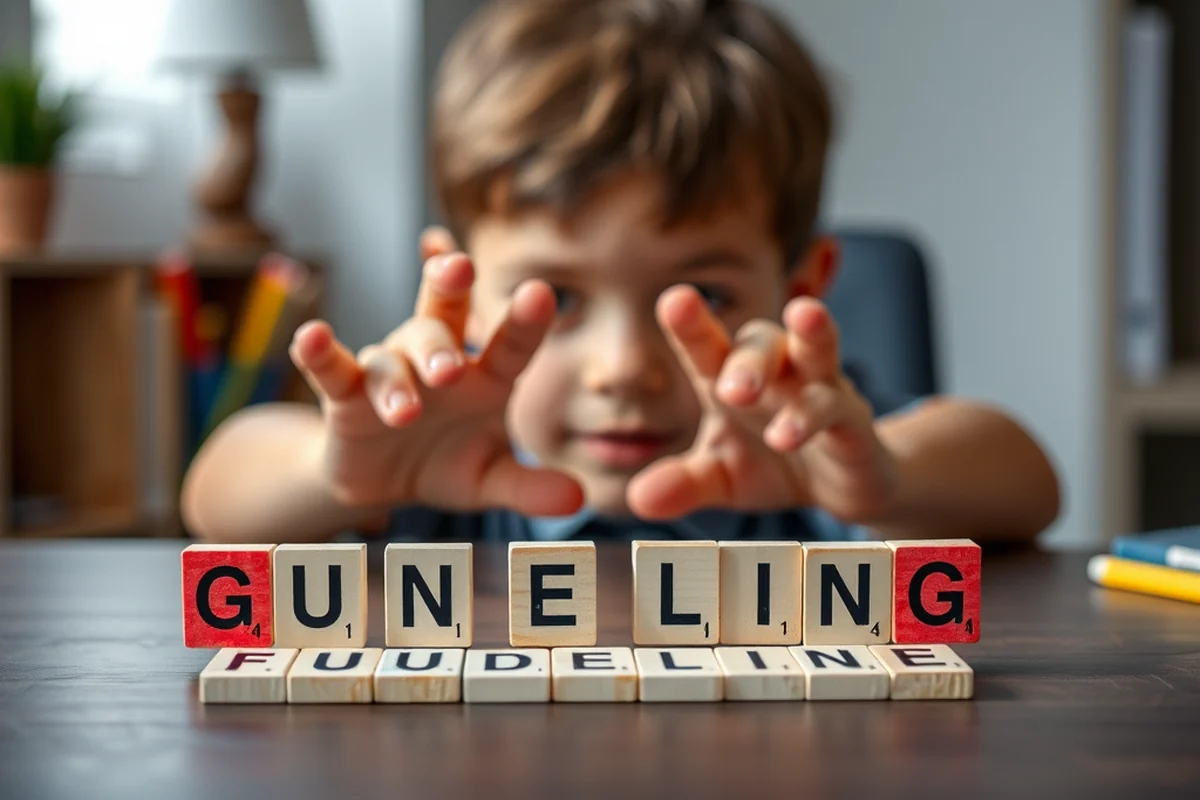
Florida’s educational standards are aligned with the Common Core State Standards, but with some modifications specific to the state. Parents must ensure that their child is learning the same subjects and skills as public school students, including mathematics, English language arts, science, social studies, and foreign languages. While the state does not mandate a specific curriculum, it does require that students receive instruction in these core subjects.[2]
To help parents meet these standards, the Florida Department of Education provides a comprehensive list of benchmarks for each grade level. These benchmarks outline what students are expected to know and be able to do by the end of each grade. Parents can use these benchmarks to create a structured curriculum or choose from a variety of online courses and materials that are aligned with Florida’s academic standards.
One of the challenges parents face is determining whether their child is meeting the required standards without formal assessments. While Florida does not require annual testing, some parents choose to use standardized tests such as the Florida Comprehensive Assessment Test (FCAT) or the Florida Standards Assessments (FSA) to measure their child’s progress.
Meeting Florida’s standards doesn’t have to be complicated — it just takes a little planning and research.
Related: What is homeschooling in malaysia
Choosing the Right Homeschooling Method
Florida allows for a variety of homeschooling methods, including traditional homeschooling, unschooling, and co-ops. Each method has its own advantages and challenges. Traditional homeschooling involves the parent or a hired tutor taking the lead in teaching the child, while unschooling allows the child to learn through real-life experiences and self-directed learning. Co-ops, on the other hand, involve a group of families working together to provide instruction in various subjects.
When choosing a method, it is important to consider your child’s learning style, your own teaching abilities, and the amount of time you have available. For example, traditional homeschooling may be a good choice for parents who are confident in their teaching abilities and have a structured schedule, while unschooling may be more suitable for children who are naturally curious and self-motivated.
Parents should also consider the social aspects of their chosen method. While unschooling allows for more flexibility, it may be more difficult to provide opportunities for social interaction. In contrast, co-ops and traditional homeschooling can provide more structured opportunities for social learning and peer interaction.
Take time to observe your child’s learning style and preferences before deciding on a homeschooling method. This will help ensure that you choose a method that is both effective and enjoyable for your child.
“When I first considered homeschooling my daughter in Florida, I felt overwhelmed by the sheer volume of information out there.”— Homeschooling in Different Countries editors
Related: Homeschooling in greenville sc
Leveraging Online Resources in Florida
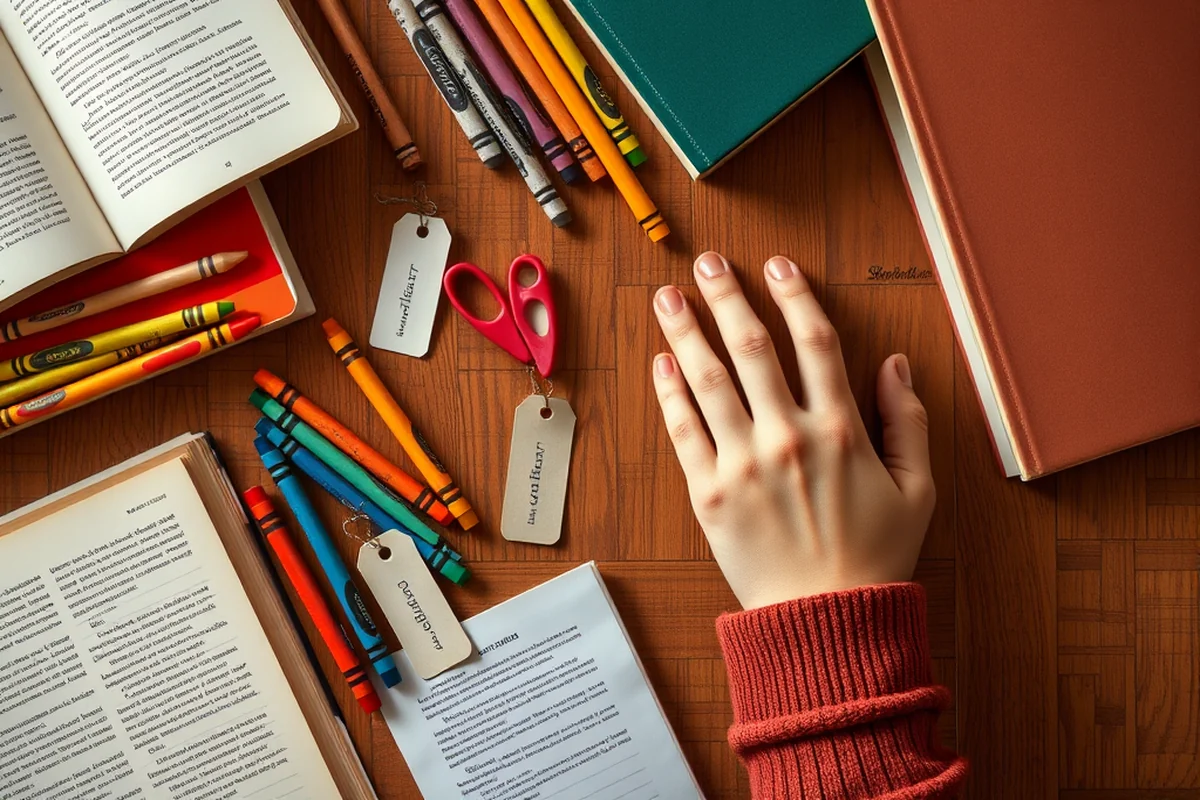
Florida offers a wide range of online resources to help parents create a successful homeschooling experience. The Florida Virtual School, for example, provides a variety of online courses that are aligned with Florida’s academic standards. These courses are available to all Florida residents and can be used as a supplement to traditional homeschooling or as the primary method of instruction.
In addition to online courses, there are numerous websites and organizations that offer free or low-cost resources for homeschooling families. These resources include printable worksheets, lesson plans, and educational videos that can be used to supplement your child’s learning. Many of these resources are designed to be used with minimal preparation, making them a great option for busy parents.
Parents should also consider joining online homeschooling communities, where they can connect with other homeschooling families, share resources, and get advice. These communities can be a great source of support and encouragement, especially for parents who are new to homeschooling.
Related: Homeschooling in johannesburg
Connecting with Local Homeschooling Communities
One of the most important aspects of homeschooling in Florida is connecting with other homeschooling families in the community. Local homeschooling groups can provide a variety of resources, including curriculum recommendations, field trips, and social events. These groups can also be a great source of support, offering parents the opportunity to share experiences, get advice, and build friendships.
Many local homeschooling groups meet regularly and offer a range of activities, from science experiments to art classes. These activities can be a great way for children to explore their interests and develop new skills. Some groups also offer tutoring services or academic support, which can be especially helpful for parents who are not confident in their teaching abilities.
To find local homeschooling groups in Florida, parents can search online directories, contact their local school district, or attend homeschooling conferences. These events can be a great way to meet other homeschooling families and learn more about the resources available in the community.
Related: Homeschooling in colorado
Assessing Your Child’s Progress
While Florida does not require annual assessments, many parents choose to use standardized tests to measure their child’s progress. These tests can help identify areas where the child may need additional support or reinforcement. Some parents also use informal assessments, such as quizzes, projects, and presentations, to track their child’s learning.
In addition to assessments, parents should keep a record of their child’s academic progress. This can include things like grade reports, project portfolios, and progress reports. These records can be used to track the child’s development over time and to demonstrate to others that the child is meeting academic standards.
Parents should also consider the importance of feedback in the assessment process. By providing their child with regular feedback on their progress, parents can help them stay motivated and focused on their learning goals. This can be especially important for older children who are preparing for college or career opportunities.
Assessment is not just about testing — it’s about understanding and supporting your child’s growth.
Related: What is homeschooling in usa
Preparing for the Future
One of the greatest advantages of homeschooling in Florida is the flexibility it offers in preparing your child for the future. Whether your child is interested in pursuing a college degree, entering the workforce, or starting a business, homeschooling allows you to tailor their education to their goals and interests.
Parents can work with their child to develop a plan that includes specific courses, extracurricular activities, and career preparation. For example, if your child is interested in STEM fields, you can incorporate science experiments, math competitions, and technology projects into their curriculum. If they are interested in the arts, you can include opportunities for creative expression and performance.
Homeschooling also allows parents to provide their child with a strong foundation in life skills, such as time management, critical thinking, and communication. These skills are essential for success in both college and the workforce, and they can be developed through a variety of activities and experiences.
🧠 Younger Kids (Ages 3-6)
Use interactive games, sensory activities, and short lessons to engage young learners in Florida’s homeschooling guidelines.
📚 Older Kids (Ages 7-12)
Focus on core subjects with structured lessons, but allow for creative exploration and project-based learning.
⏰ No-Prep Homeschooling
Use online resources and workbooks that require minimal preparation, making homeschooling in Florida more accessible.
🤝 Group Homeschooling (Co-ops)
Join a co-op to share teaching responsibilities, reduce workloads, and provide social opportunities for your child.
🔍 Extension Activities
Incorporate field trips, museum visits, and community events to enrich your child’s learning experience in Florida.
| The mistake | Why it happens | The fix |
|---|---|---|
| Not researching Florida’s homeschooling laws thoroughly. | Parents may make the mistake of assuming they know the legal requirements without reviewing the state’s guidelines. | Take time to review Florida’s homeschooling laws and consult with local education officials if you have any questions. |
| Choosing a homeschooling method without considering your child’s learning style. | Selecting a method that does not match your child’s learning style can lead to frustration and poor academic performance. | Observe your child’s learning style and preferences before deciding on a homeschooling method. |
| Not connecting with local homeschooling groups. | Parents who do not connect with other homeschooling families may miss out on valuable resources and support. | Attend local homeschooling events and join online communities to build connections with other families. |
| Assuming that Florida’s guidelines are too strict or too vague. | Some parents may feel overwhelmed by the lack of centralized oversight and assume they need to follow a strict curriculum. | Understand that Florida’s guidelines offer flexibility and allow for a personalized approach to education. |
Homeschooling Guidelines In Florida
Common Questions
Do I need to register my child with the Florida Department of Education?
What are the academic standards I need to follow in Florida?
Can I use online resources to homeschool my child in Florida?
How can I assess my child’s progress without formal testing?
References
- Subcommittee on Public Education - West Virginia Legislature (home.wvlegislature.gov)
- The Elementary and Secondary Education Act (ESEA), as Amended ... (congress.gov)
Cite this guide
Homeschooling in Different Countries (2026). Homeschooling Guidelines In Florida. https://culturallywise.com/homeschooling-guidelines-in-florida/
Feel free to cite or share this guide.