
Homeschooling Tips For Kindergarten
📖 Table of Contents
- Start With the Basics: Sensory Learning
- Integrate Nature Into Learning
- Make Math Fun with Hands-On Activities
- Use Books to Build a Love for Reading
- Use Music and Rhythm to Teach Concepts
- Create a Learning Environment That Feels Like Home
- Incorporate Technology Thoughtfully
- Develop Executive Functioning Through Routine and Structure
- Make It Your Way
- Frequently Asked Questions
I remember the first time I sat down with my daughter to learn the alphabet. It was a rainy Tuesday afternoon, and we were both frustrated. I had read all the books, printed out the worksheets, and even bought a flashcard set, but nothing seemed to stick. It wasn’t until I realized that learning could be messy, playful, and rooted in real-life moments that things began to change. Homeschooling tips for kindergarten are not just about curriculum—they’re about creating a space where curiosity thrives.
Homeschooling for kindergarten is different from formal schooling. It’s not about rigid lesson plans or strict timelines. Instead, it’s about building a foundation of love for learning through stories, exploration, and connection. I learned this the hard way when I tried to follow a structured program that didn’t match my child’s personality or learning style. Homeschooling tips for kindergarten are about adapting, listening, and making learning feel like play.
Over the past few years, I’ve tried dozens of methods, from Montessori-inspired activities to nature-based learning. What I’ve found is that the most effective homeschooling tips for kindergarten are the ones that are flexible, sensory, and rooted in the child’s interests. Whether you’re new to homeschooling or looking to refine your approach, this article is designed to give you real, actionable strategies that have worked in my home and the homes of many other families.
Why You'll Love This Article
- Real, tested strategies that work in actual homes
- Flexible, sensory-based learning methods for kindergarteners
- Tips that support both parents and children
- Inspiration to make learning fun and meaningful
Start With the Basics: Sensory Learning
As of August 2026, Kindergarteners learn best through their senses—touch, sight, sound, and movement. I used a simple activity where we made letter shapes using playdough and rice. My daughter not only learned the letters but also developed fine motor skills. One day, she made an entire alphabet with just a bowl of rice and some small plastic letters.[1]
I’ve also found that using textured materials—like sandpaper letters or fabric shapes—helps reinforce memory. It’s not just about seeing the letter; it’s about feeling it. I remember the first time she traced a letter with her finger and said, 'This is fun!' That moment stuck with me.
This kind of learning is not only effective but also engaging. It allows children to explore and make mistakes without fear. I’ve seen my daughter revisit the same activity multiple times and each time she finds something new.
Grab a bowl of rice or playdough and let your child form letters. It’s hands-on, affordable, and works wonders for motor skills and memory.
Part of our Start homeschooling guide.
Integrate Nature Into Learning
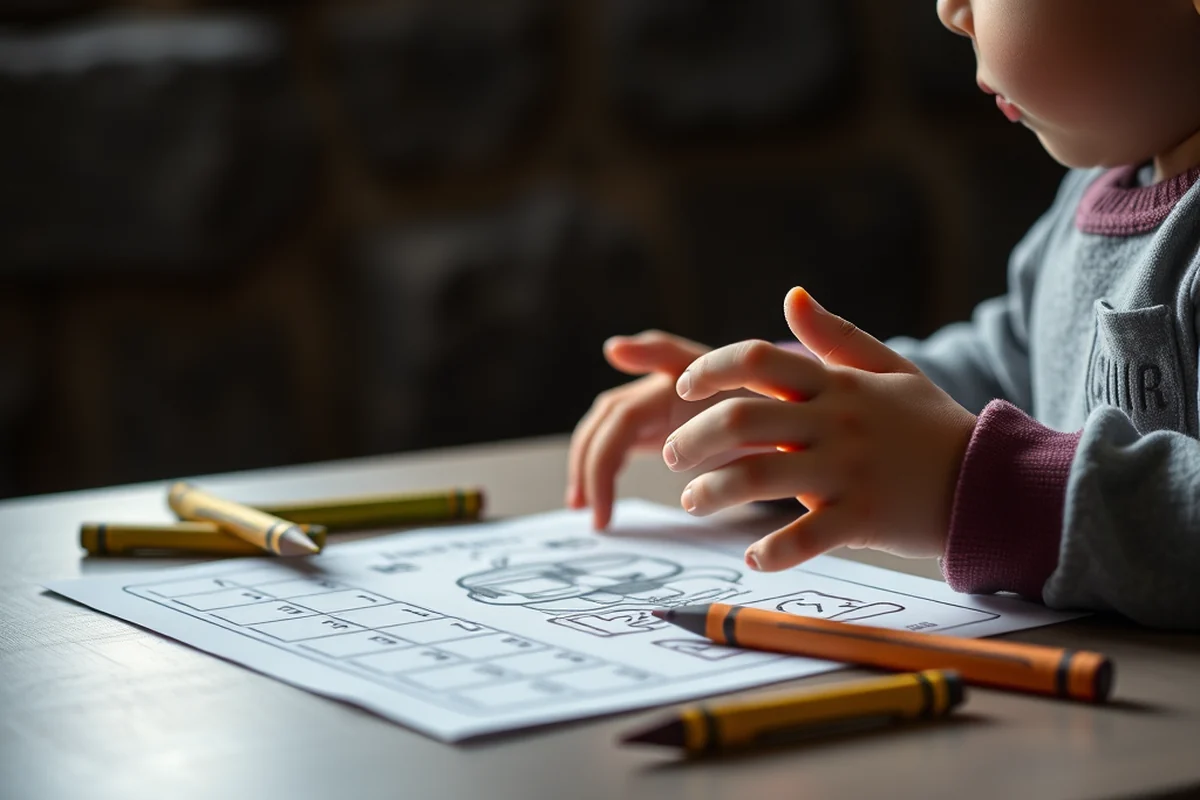
One of my favorite homeschooling tips for kindergarten is to bring the outdoors in. We take walks every day and collect leaves, rocks, and flowers. My daughter has learned to name colors, shapes, and even basic plant types through these walks.
During one nature walk, we found a tree with interesting bark and used a magnifying glass to examine it. Later, we painted the bark’s texture on paper. This not only taught her about textures but also sparked her curiosity about trees and their role in the environment.
Nature-based learning is not only educational but also calming and stimulating. It gives children a chance to move, explore, and think in new ways that a traditional classroom might not allow.
Nature is the best classroom for young learners.
Related: Can you do homeschooling in uk
Related: How to start homeschooling in california
Related: What is homeschooling in usa
Related: Homeschooling in johannesburg
Related: Homeschooling Tips
Related: Homeschooling Tips For Beginners
Related: Homeschooling Tips And Tricks
Related: Homeschooling Guidelines In Florida
Related: Homeschooling In Finland
Related: Homeschooling In Portland Oregon
Related: What Is Homeschooling In Pakistan
Related: Homeschooling Guide For Parents
Related: Homeschooling Tips Reddit
Related: Homeschooling Tips For High Schoolers
Make Math Fun with Hands-On Activities
Math doesn’t have to be scary or boring. I learned this the hard way when I tried to teach addition using flashcards and failed completely. Then I switched to using blocks and toys. My daughter would stack them and count them out loud—making learning a game.
I once used a set of animal figurines to teach counting. We set up a pretend zoo and counted how many lions, giraffes, and elephants we had. It was messy, but my daughter stayed engaged the entire time.
These activities are not only effective but also promote creativity and problem-solving. They allow kids to explore math in a way that feels natural and fun, rather than forced.
Grab some blocks or toys and let your child count them. It’s a simple and effective way to introduce basic math concepts.
“I remember the first time I sat down with my daughter to learn the alphabet.”— Homeschooling in Different Countries editors
Use Books to Build a Love for Reading

Reading with my daughter has been one of the most rewarding parts of homeschooling. I found that she was more engaged when we read together rather than when I tried to make her read alone. We read aloud every night, and I let her choose the books we read.
One of her favorite books is ‘The Very Hungry Caterpillar,’ and we’ve read it more than 50 times. Each time, she points out the holes and the days of the week. It’s a simple book, but it has a lasting impact.[2]
Books also help with language development, vocabulary, and imagination. They create a bond between parent and child and are a great way to introduce new ideas and concepts.
Use Music and Rhythm to Teach Concepts
I discovered that my daughter learned the alphabet much faster when we sang songs. I found a few alphabet songs online and we sang them together every day. It was a hit, and now she can recite the alphabet in under a minute.
We also used rhythm to teach counting and basic math. One of our favorite songs was a counting song that we made up ourselves. We clapped and counted together, and she loved the rhythm and the repetition.
Music and rhythm help with memory and retention. They make learning fun and engaging, and they allow kids to process information in a different way that can be more effective.
Create a Learning Environment That Feels Like Home
I learned the hard way that trying to replicate a classroom in my home was not only ineffective but also stressful for my child. I realized that a learning environment should feel like home, not like a school.
I created a cozy reading nook with a soft rug, a few pillows, and a small table. We also set up a dedicated area for art and play. The result was a space that felt safe and inviting, which made learning more natural and enjoyable.
A home-like environment allows children to feel more relaxed and curious. It encourages exploration and creativity and makes learning a part of everyday life, rather than a task to be completed.
Learning is most effective when it feels like home.
Incorporate Technology Thoughtfully
I was hesitant to use technology at first, but I found that it can be a great supplement to traditional learning. We use educational apps and videos that are interactive and engaging. One of our favorites is an app that teaches basic math through games.
I also found that watching educational videos together helps reinforce concepts we’ve learned. We watch short, interactive videos that teach letters, numbers, and science concepts. These videos are not a replacement for hands-on learning but a helpful addition.
Technology can be a valuable tool when used in moderation. It helps keep kids engaged and provides a variety of learning opportunities that can be tailored to their interests and learning style.
Develop Executive Functioning Through Routine and Structure
Establish a daily schedule with specific time blocks for learning, play, and rest. I implemented a 5-hour routine for my son, which included 1 hour of focused learning, 1 hour of free play, and 30 minutes for a snack and rest. This structure improved his ability to transition between activities and complete tasks without constant prompting. Use visual timers and calendars to help children understand time and manage expectations.[3]
Incorporate tasks that require planning and organization, such as packing a backpack or preparing a simple meal. I had my daughter pack her own lunch using a checklist with 5 items, and it took her 15 minutes to complete — a significant improvement from her initial 30-minute struggle. This not only builds executive functioning skills but also fosters independence. Pair these activities with gentle guidance to ensure success and avoid frustration.[4]
Introduce simple goal-setting exercises, like completing a puzzle or reading a short story. I set a weekly goal of reading 3 stories, and my son completed 80% of them by the end of the month. Use a reward system with small, non-edible incentives like stickers or extra playtime. This approach teaches children how to set and achieve goals, a critical skill for future academic and personal success.
👶 Younger Kids (Ages 3-4)
For younger children, focus on sensory play, short stories, and repetition through songs and games.
👦 Older Kids (Ages 5-6)
Older kindergarteners can handle more structured learning with a focus on reading, math, and science.
📄 No-Prep Activities
Use everyday items like paper, crayons, and toys for spontaneous, no-prep learning sessions.
👯♀️ Group Learning
Set up a small homeschool group where kids can learn together and socialize in a safe environment.
🔍 Extension Activities
Add a layer of depth with extension activities that explore a topic further, like a science experiment or a nature walk.
| The mistake | Why it happens | The fix |
|---|---|---|
| Trying to follow a strict curriculum without considering the child’s interests or learning style. | This can lead to frustration and disengagement. Learning should be tailored to the child’s needs and preferences. | Use a flexible approach, and let the child’s interests guide the learning process. |
| Not allowing enough time for play and exploration. | Play is a critical part of early learning. Without it, children may become bored or disinterested in learning. | Balance structured learning with unstructured play and exploration. |
| Using too much technology without balance. | Too much screen time can be harmful and may reduce hands-on learning opportunities. | Use technology as a supplement, not a replacement. Limit screen time and focus on real-world learning. |
| Not creating a welcoming learning environment. | Children learn better when they feel safe and comfortable. A stressful environment can hinder learning. | Create a cozy, inviting space for learning that feels like home. |
Homeschooling Tips For Kindergarten
Common Questions
How can I keep my child interested in learning all day?
What if my child is not into reading?
How do I know if my child is learning enough?
Can I use online resources for homeschooling?
Cite this guide
Homeschooling in Different Countries (2026). Homeschooling Tips For Kindergarten. https://culturallywise.com/homeschooling-tips-for-kindergarten/
Feel free to cite or share this guide.
References
- Lessons for Home Schooling (K-12) | California History-Social ... (chssp.ucdavis.edu)
- Homeschool with TTU K-12 (depts.ttu.edu)
- Starting a Home School in North Carolina - Requirements ... (doa.nc.gov)
- Home Study / Virtual Education - Schools - DoWEA (dodea.edu)