
Homeschooling In France
📖 Table of Contents
- Legal Requirements for Homeschooling in France
- Curriculum Options and Resources
- Integrating French Culture Into Your Homeschool
- Support Systems for Homeschooling Families
- Balancing Homeschooling With Other Responsibilities
- Assessing Your Child's Progress
- Long-Term Benefits of Homeschooling in France
- Make It Your Way
- Frequently Asked Questions
I remember the first time I sat down with my son at the kitchen table in our Paris apartment, trying to figure out how to homeschool him in France. The legal framework was foreign, the curriculum unclear, and the support system non-existent. I had never imagined that a country known for its rigorous public schools would make homeschooling feel so daunting. But as I dove deeper into the French education system, I found a path that was both challenging and rewarding — with the right tools, homeschooling in France is not only possible. It can be deeply enriching.[1]
France has a long history of centralized education, and homeschooling is not the norm. However, the past decade has seen a quiet but growing movement of families choosing to educate their children at home. I learned that France's legal system requires a detailed process, including a declaration to the local authorities, and the need for a curriculum that aligns with national standards. It was a steep learning curve, but the sense of autonomy and the flexibility of the program made it all worth it. Homeschooling in France is not for the faint of heart, but the rewards are immense.[2]
One of the most surprising discoveries was the availability of resources. From online platforms offering French curriculum materials to local communities of homeschooling parents, I found a wealth of support that I hadn't expected. The key was knowing where to look and how to handle the bureaucratic hurdles. If you're considering homeschooling in France, you're not alone, and with the right approach, you can make it work — and even thrive.[3]
Why You'll Love Homeschooling In France
- Access to a well-structured national curriculum with clear educational goals.
- Opportunities to integrate French culture and language into daily learning.
- Flexibility to tailor education to your child’s unique needs and interests.
- Growing community of homeschooling families offering support and resources.
Legal Requirements for Homeschooling in France
As of September 2026, the first step in homeschooling in France is to inform the local education authority, which is typically done by submitting a formal declaration. This is not a bureaucratic nightmare, but it does require careful attention to detail. I had to fill out a form that outlined my educational goals, my child's age, and the curriculum I intended to follow. I also had to provide proof of my child's identity and my own legal status as the parent or guardian.
France has a legal requirement that homeschooling families must follow a curriculum that aligns with national educational standards. This means that while I had the freedom to choose the method of teaching, I needed to ensure that the content covered the same subjects and objectives as public schools. I used the official French national curriculum as a guide and cross-referenced it with my child's progress to make sure we were on track.
Despite the initial complexity, the process was straightforward once I understood the requirements. I also found that local education officials were surprisingly helpful, providing guidance on the best ways to structure my child's learning and even offering resources that I hadn't considered. The legal framework may seem strict, but it's designed to ensure that homeschooled children receive a quality education that meets the same standards as their peers in public schools.
Before starting your homeschooling journey in France, visit your local education authority to get the latest information on the declaration process. This will save you time and prevent any unnecessary delays.
Curriculum Options and Resources
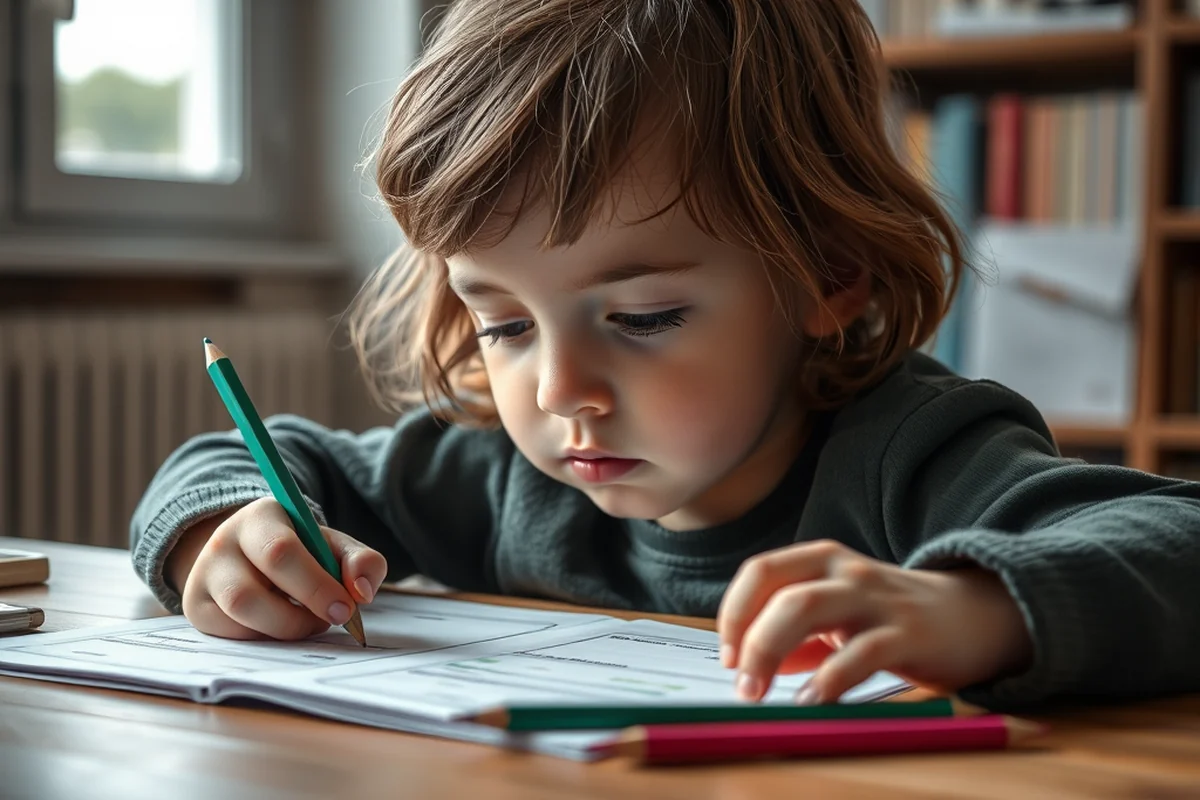
One of the biggest challenges I faced was choosing the right curriculum. After some research, I discovered that France has a range of online platforms offering both free and paid resources that align with the national curriculum. I used one such platform that provided lesson plans, activity ideas, and even interactive tools that helped my child grasp complex concepts.
In addition to online resources, I found that local libraries and educational centers often have materials that are suitable for homeschooling. I was particularly impressed by the availability of books and workbooks that covered the same subjects as the public school system, but with a more personalized approach. These materials were often available for free or at a low cost, which made the process more affordable.
I also joined a homeschooling Facebook group, which was a treasure trove of information. Members shared their favorite curriculum options, recommended books, and even offered to help review and test new resources. This community support was invaluable and made the process of selecting the right curriculum feel much less overwhelming.[4]
The right curriculum can make all the difference in your homeschooling journey.
Related: Homeschooling in alabama requirements
Related: Homeschooling in oregon
Related: Homeschooling in arkansas laws
Related: Homeschooling in arkansas
Related: Homeschooling in bangalore fees
Integrating French Culture Into Your Homeschool
One of the most rewarding aspects of homeschooling in France is the ability to integrate the rich cultural heritage of the country into your child's education. I made it a point to include French history, art, and literature in our daily lessons. We read classic French novels, studied famous French artists, and even visited local museums and historical sites to bring the lessons to life.
I also made a conscious effort to teach my child French, even though we were both native English speakers. I enrolled him in a local French language class and used online tools to supplement his learning. Surprisingly, he picked up the language quickly and was soon conversing with other French-speaking children his age.
By immersing my child in French culture from an early age, I not only helped him develop a deeper appreciation for the country. I also gave him a unique educational experience that was unlike anything he would have received in a traditional school setting. It was a small price to pay for the richness of the experience.
Take advantage of the museums, historical sites, and cultural events available in France to enhance your child's learning experience. These can be both educational and fun.
“I remember the first time I sat down with my son at the kitchen table in our Paris apartment, trying to figure out how to…”— Homeschooling in Different Countries editors
Support Systems for Homeschooling Families
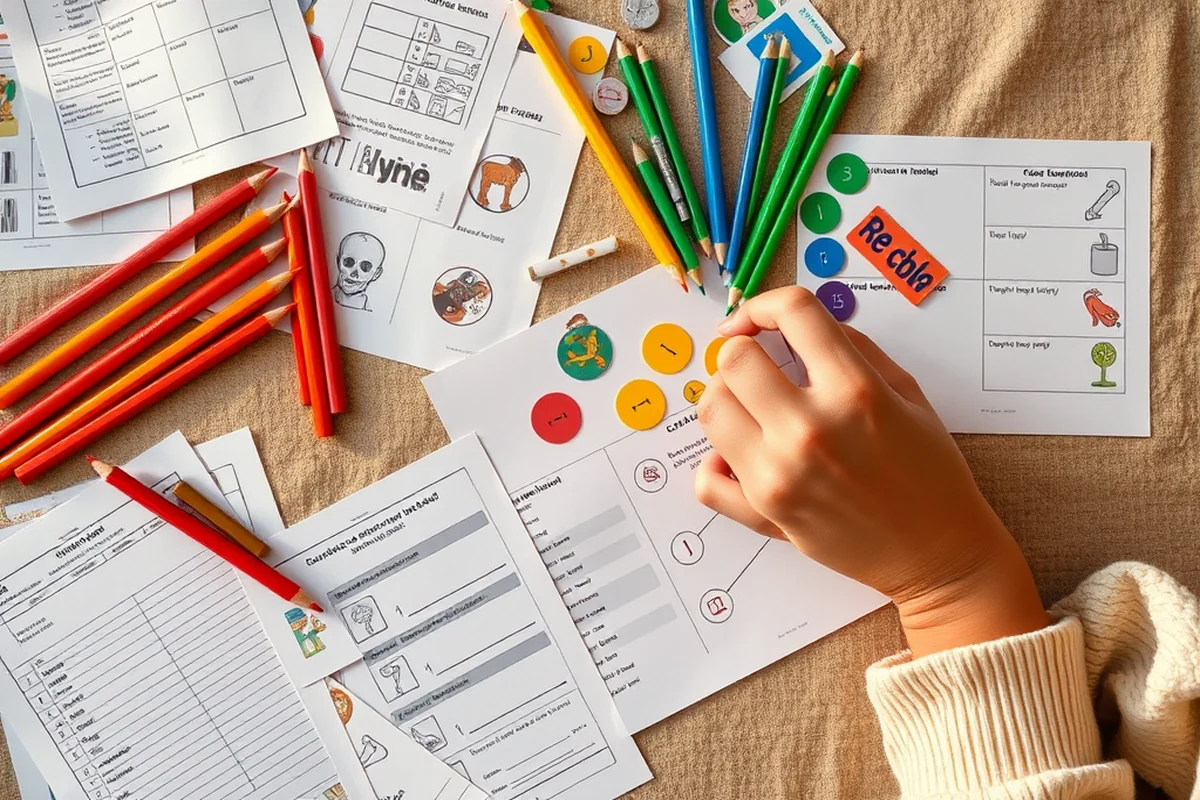
I quickly realized that I wasn't the only one homeschooling in France. There was a growing community of families who were making the same choice, and they were often willing to share their experiences, resources, and even their own curriculum materials. I joined a few online forums and attended a few local meetups, where I met other homeschooling parents who were just as passionate about their children's education as I was.
These support systems were incredibly valuable, especially when I was facing challenges or questions about the homeschooling process. I often found that other parents had already gone through the same situations and were happy to share their solutions. I also found that many local educational centers were willing to provide guidance and even offer resources for homeschooling families.
The support from other homeschooling families was a source of strength and encouragement. It reminded me that I wasn't alone in this journey, and that I could rely on others for help when I needed it. This sense of community was one of the most unexpected and rewarding aspects of homeschooling in France.
Balancing Homeschooling With Other Responsibilities
One of the biggest challenges I faced was balancing homeschooling with my own work and personal life. As a working parent, I had to make sure that I had enough time and energy to dedicate to my child's education without neglecting my other responsibilities. I found that creating a structured schedule was essential, and I used a planner to keep track of our daily activities and learning goals.
I also made a point to involve my other family members in the homeschooling process, especially my spouse. We took turns teaching and managing our child's schedule, which helped distribute the workload and made the experience more manageable. I also relied on the support of friends and family, who were often willing to help with childcare or provide advice when I needed it.
By planning ahead and seeking support from others, I was able to find a balance that worked for our family. It wasn't always easy, but with the right approach, it was possible to make homeschooling a success without sacrificing other important aspects of our lives.
Assessing Your Child's Progress
I quickly learned that assessing my child's progress was a crucial part of homeschooling in France. I used a combination of formal assessments, such as standardized tests, and informal methods, such as tracking my child's progress through project-based learning and hands-on activities. I also kept a detailed record of my child's achievements, which helped me identify areas where he was excelling and where he needed more support.
I worked with a local tutor who was familiar with the French education system and who could provide additional guidance and support. He helped me design a personalized assessment plan that was tailored to my child's learning style and needs. I also used online tools that allowed me to track my child's progress over time, which gave me a clear picture of his development.
By regularly assessing my child's progress, I was able to make sure that he was on track and that he was receiving the education he needed. This not only helped me as a parent, but it also gave my child the confidence he needed to continue learning and growing.
Assessments are not just about grades — they're about understanding your child's growth and needs.
Long-Term Benefits of Homeschooling in France
One of the most significant long-term benefits of homeschooling in France is the ability to provide a personalized education that is tailored to your child's unique needs and interests. Unlike traditional schooling, which follows a one-size-fits-all approach, homeschooling allows you to create a learning environment that is specifically designed for your child. This means that your child can explore subjects that interest them in greater depth and at a pace that suits them.
Another long-term benefit is the greater flexibility that homeschooling offers. This flexibility can be especially valuable as your child grows and their educational needs change. Whether your child is interested in pursuing a traditional academic path or exploring alternative educational opportunities, homeschooling gives you the freedom to choose the best option for your child.
Homeschooling in France also provides a sense of autonomy and self-direction that can be incredibly valuable in the long run. By learning how to manage their own education, your child will develop important life skills that will serve them well in the future. This includes skills such as time management, self-motivation, and the ability to take initiative in their learning.
🎒 Younger Kids (Ages 3-6)
Hands-on learning, play-based activities, and sensory exploration are ideal for younger children. Use books, puzzles, and storytelling to introduce basic concepts.
📚 Older Kids (Ages 7-12)
Use structured lesson plans, science experiments, and historical reenactments to engage older children in deeper learning and critical thinking.
✨ No-Prep Option
Utilize free online resources and ready-made lesson plans to minimize preparation time and maximize learning opportunities.
👥 Group Learning
Join homeschooling co-ops or local groups to provide social interaction and collaborative learning experiences for your child.
🔍 Extension Activities
Incorporate field trips, museum visits, and guest speakers to enrich your child's learning and provide real-world context.
| The mistake | Why it happens | The fix |
|---|---|---|
| Neglecting the legal requirements for homeschooling in France. | Failing to inform the local education authority can result in legal complications and may affect your child's future educational opportunities. | Make sure to complete the formal declaration process and keep detailed records of your educational plans. |
| Choosing a curriculum that doesn't align with national standards. | A curriculum that doesn't meet national educational requirements may not provide a comprehensive education and could impact your child's future. | Use the official French national curriculum as a guide and ensure that your chosen materials cover the required subjects and learning objectives. |
| Overlooking the importance of cultural integration. | Failing to incorporate French culture and language into your child's education can limit their understanding of the country and reduce the educational value of homeschooling in France. | Make a conscious effort to include French history, literature, and language in your child's lessons. |
| Not seeking support from the homeschooling community. | Isolating yourself can make the homeschooling process more challenging and may prevent you from accessing valuable resources and support. | Join online forums, attend local meetups, and connect with other homeschooling families to gain support and guidance. |
Homeschooling In France
Common Questions
What are the legal requirements for homeschooling in France?
Are there resources available for homeschooling in France?
How can I integrate French culture into my homeschooling?
How can I assess my child's progress?
References
- educational counter culture: motivations, instructional approaches (files.eric.ed.gov)
- Education in France - Wikipedia (en.wikipedia.org)
- 'Homeschooling' and the COVID-19 Crisis: The Insights of Parents ... (pmc.ncbi.nlm.nih.gov)
- K-12 Learning in Historic Alexandria - AlexandriaVA.Gov (alexandriava.gov)
Cite this guide
Homeschooling in Different Countries (2026). Homeschooling In France. https://culturallywise.com/homeschooling-in-france/
Feel free to cite or share this guide.