
Homeschooling Guide For Toddlers
📖 Table of Contents
- Why Toddlers Are Perfect for Homeschooling
- The Power of Play-Based Learning
- How to Create a Toddler-Friendly Learning Environment
- Incorporating Reading into Your Toddler’s Day
- Using Music and Rhythm for Learning
- The Importance of Emotional and Social Development
- Making Learning Fun and Engaging
- Make It Your Way
- Frequently Asked Questions
I remember the first time I tried to homeschool my toddler. It was a chaotic morning, with crayons everywhere and a child who had more energy than a puppy. I didn’t know where to start, and I certainly didn’t have a ‘homeschooling guide for toddlers’ to follow. But as the weeks went by, I learned that toddlers are natural learners — curious, playful, and full of questions. The key was to meet them where they were, not where I thought they should be. Homeschooling them isn’t about structured lessons or flashcards; it’s about turning everyday moments into learning opportunities.[1]
What I discovered was that toddlers thrive on interaction, exploration, and repetition. They don’t need a textbook; they need a loving adult who can point out the shapes of clouds or count the steps we take to the park. Homeschooling for toddlers is less about curriculum and more about presence. I learned that the most effective lessons happen when I’m playing with them, reading to them, or simply talking through their day. It’s messy, it’s loud, and it’s real — but it’s also deeply rewarding.
Now, I’ve spent years refining my approach, learning what works and what doesn’t. I’ve tried everything from structured lesson plans to freeform play, and I’ve found that the best way to homeschool toddlers is to be flexible, creative, and patient. This article is the result of that journey — a practical, sensory-rich guide that shows you how to engage your toddler’s mind and heart without the pressure of a classroom. Whether you’re new to homeschooling or just looking for ideas, this is for you.[2]
Why You'll Love This Homeschooling Guide for Toddlers
- Turn everyday moments into learning opportunities with easy, hands-on activities.
- Encourage curiosity and creativity without the pressure of structured lessons.
- Build a strong bond with your child through interactive, play-based learning.
- Access free and low-cost printable resources to support your toddler’s development.
Why Toddlers Are Perfect for Homeschooling
As of August 2026, Toddlers are sponges — they absorb information effortlessly through play, interaction, and exploration. Unlike older children who may resist formal learning, toddlers are eager to learn, especially when it’s tied to their interests. Whether it’s counting steps, naming colors, or learning their letters, toddlers are more engaged when learning feels like a game.[3]
One of the most beautiful things about toddlers is their innate ability to learn through repetition. If you read the same book every night, they’ll recognize it in no time. This pattern-based learning is a powerful tool for early education. It builds memory, comprehension, and confidence — all without pressure.
As a homeschooling parent, I’ve found that the best way to teach a toddler is to be present. It’s not about following a strict schedule or curriculum — it’s about being there, engaging, and enjoying the process. When you’re involved in your child’s learning, you’re not just teaching — you’re building a lasting bond.
Turn mealtime into a counting lesson, bath time into a sensory experience, and bedtime into a storytime. Every moment is a chance to teach.
Part of our Homeschooling high guide.
The Power of Play-Based Learning
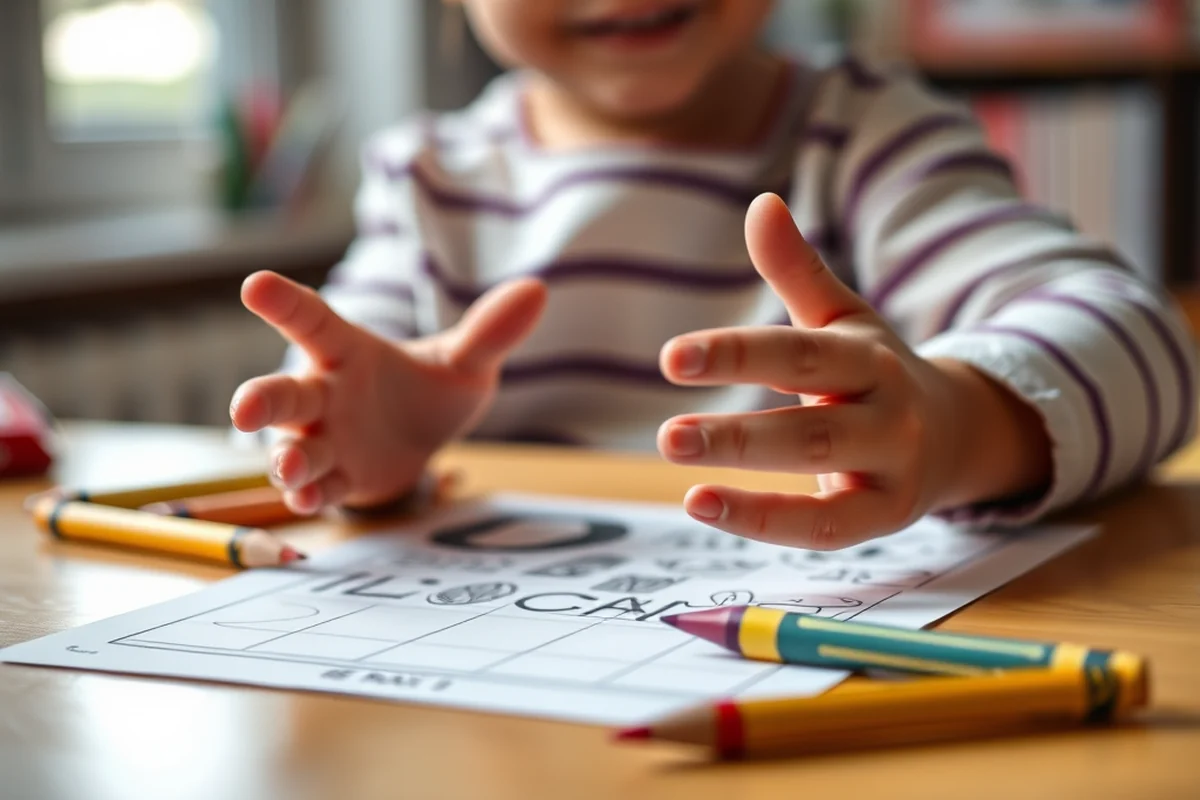
Play-based learning is not just fun — it’s essential. When toddlers play with blocks, they’re learning about shapes, balance, and cause and effect. When they dress up, they’re exploring roles, emotions, and social behavior. Play is how they learn to solve problems, think creatively, and interact with others.
I’ve watched my toddler learn more during a game of hide-and-seek than during any formal lesson. She learned about spatial awareness, counting, and even basic vocabulary — all without realizing she was learning. Play keeps them engaged and excited about learning.
As a parent, it’s important to remember that not all learning needs to be structured. Sometimes the best lessons are the ones that happen naturally, through exploration and imagination. Encourage play, but never force it — let your toddler lead the way.
Play is the language of learning.
Related: Homeschooling in ethiopia
Related: Small homeschool room ideas
Related: Homeschooling in english
Related: Homeschooling tips
Related: Homeschooling in illinois
Related: Is Homeschooling Cheaper
Related: Homeschooling In Australia
Related: How Long Does The Homeschooling Process Take
Related: Homeschooling In Bend Oregon
Related: Homeschooling In Fairfax County
Related: Homeschooling Guide For Parents
Related: Homeschooling In Houston Texas
Related: Online Homeschooling Programs
How to Create a Toddler-Friendly Learning Environment
A toddler’s learning space should be safe, clutter-free, and filled with age-appropriate materials. I’ve found that having a dedicated area for learning — like a cozy corner with books, art supplies, and puzzles — encourages engagement and curiosity. It’s also important to keep the space organized, so your toddler can easily reach and use the materials.
I like to rotate materials every few weeks to keep things fresh and exciting. One week, we might focus on shapes and colors with colorful blocks; the next, we might explore numbers with counting games and puzzles. This keeps learning dynamic and prevents boredom.
Another important aspect of the learning environment is accessibility. Make sure books are within reach, art supplies are easy to use, and play materials are safe. A toddler’s environment should support independence, so they feel empowered to explore and learn on their own.
Store books, toys, and learning tools in low, clearly labeled bins. This encourages independence and makes learning easy for your toddler.
“I remember the first time I tried to homeschool my toddler.”— Homeschooling in Different Countries editors
Related: Homeschooling Guide Uk
Related: Homeschooling In Bangalore
Incorporating Reading into Your Toddler’s Day

I’ve made it a daily habit to read to my toddler, and it’s had a huge impact on her vocabulary and comprehension. Reading together is not just about books — it’s about connection, imagination, and building a lifelong love of learning. I’ve found that reading the same book multiple times is not only beneficial but also a powerful tool for learning.
I prefer books with bright, colorful illustrations and simple, repetitive language. Books like “Brown Bear, Brown Bear, What Do You See?” and “Goodnight Moon” are favorites. I read them with enthusiasm, pointing out the pictures and asking questions. This helps my toddler engage with the story and build comprehension skills.
I also like to incorporate reading into daily routines. For example, we read during breakfast, before bedtime, and during our morning walk. This helps make reading a natural part of our day and reinforces the idea that learning is everywhere.
Using Music and Rhythm for Learning
I’ve found that music is one of the most effective ways to teach my toddler. Whether it’s singing the alphabet or counting songs, music helps reinforce learning in a fun and engaging way. I’ve noticed that my toddler retains information better when it’s set to a tune.
I use a variety of music — from nursery rhymes to educational songs that teach letters, numbers, and even shapes. I’ve even created my own simple songs to help her learn new concepts. For example, we have a song about the days of the week, which she loves to sing along to.
In addition to singing, I’ve found that rhythm and movement help my toddler develop coordination and body awareness. We dance to music, clap along to beats, and even use rhythm to teach counting. It’s a fun way to make learning physical and interactive.
The Importance of Emotional and Social Development
I’ve learned that toddlers are not just learning to read and count — they’re also learning to manage emotions, share, and communicate. These skills are just as important as any academic skill, and they need to be nurtured from an early age.
I’ve found that teaching emotional intelligence through play and interaction is highly effective. When my toddler is upset, I try to help her identify and name her feelings. We use simple language like “happy,” “sad,” or “angry” to help her understand and express her emotions.
Social development is also key. I encourage my toddler to share toys, take turns, and interact with others. I’ve found that playing with siblings or friends helps her learn how to communicate, negotiate, and build relationships — all essential life skills.
Emotional intelligence is the key to a happy, healthy child.
Making Learning Fun and Engaging
I’ve discovered that the most effective learning happens when it’s fun. Toddlers are more likely to stay engaged if they’re having fun, so I make a point to keep learning activities playful and interactive. Whether it’s a scavenger hunt for letters or a game of “I Spy” with shapes, I try to make learning exciting.
I also like to mix up activities to keep things interesting. One day, we might be playing with blocks and counting; the next, we might be painting and exploring colors. This variety helps my toddler stay engaged and curious.
Another key to making learning fun is to be enthusiastic and positive. Toddlers pick up on energy and attitude — if I’m excited about learning, they’re more likely to be too. I make sure to celebrate their progress, no matter how small, and encourage them to keep exploring and learning.
🌿 Toddler Nature Walk
Take your toddler on a walk in the park or forest and explore the natural world. Point out colors, shapes, and animals — it’s a great way to learn about the environment.
🧮 Play-Based Math
Use toys and everyday objects to teach basic math concepts like counting, sorting, and patterns. It’s hands-on and keeps learning fun.
📖 No-Prep Learning
Create a learning space with books, puzzles, and art supplies that your toddler can explore on their own. No planning or prep required — just a few simple materials.
👨👩👧👦 Group Learning
Join a homeschooling group or co-op where toddlers can play and learn together. It’s a great way to socialize and build friendships.
🚀 Extension Learning
Explore more advanced concepts like letters, numbers, and shapes with interactive games and activities that challenge your toddler’s mind.
| The mistake | Why it happens | The fix |
|---|---|---|
| Not allowing the toddler to lead the learning process. | Toddlers are more engaged when they’re interested in what they’re learning. | Follow your toddler’s curiosity and build learning around their interests. |
| Overloading the toddler with too much information. | Toddlers have limited attention spans and can become overwhelmed. | Keep lessons short, simple, and focused on one concept at a time. |
| Forcing structured lessons instead of play-based learning. | Play is the natural way toddlers learn — forcing lessons can lead to resistance and disengagement. | Use play, games, and hands-on activities to teach new concepts. |
| Ignoring the importance of emotional development. | Emotional intelligence is just as important as cognitive skills — it’s the foundation of a well-rounded child. | Make time for emotional learning and teach your toddler how to express and manage their feelings. |
Homeschooling Guide For Toddlers
Common Questions
What are the best books for homeschooling toddlers?
How do I keep my toddler engaged in learning?
Can I homeschool my toddler full-time?
What if my toddler resists learning?
References
- Absorbing Information - Carnegie Mellon University | CMU (cmu.edu)
- An Evaluative Study of the Academic Achievement of ... - ERIC (files.eric.ed.gov)
- how homeschooling happens: a phenomenological study of (digitalcommons.liberty.edu)
Cite this guide
Homeschooling in Different Countries (2026). Homeschooling Guide For Toddlers. https://culturallywise.com/homeschooling-guide-for-toddlers/
Feel free to cite or share this guide.